EV charging quotes: compare the installation beyond the charger
Define your charging routine, equipment and installation path before comparing prices. The charger purchase, circuit work, capacity assessment and approvals are separate parts of the result.
Start with the driving routine
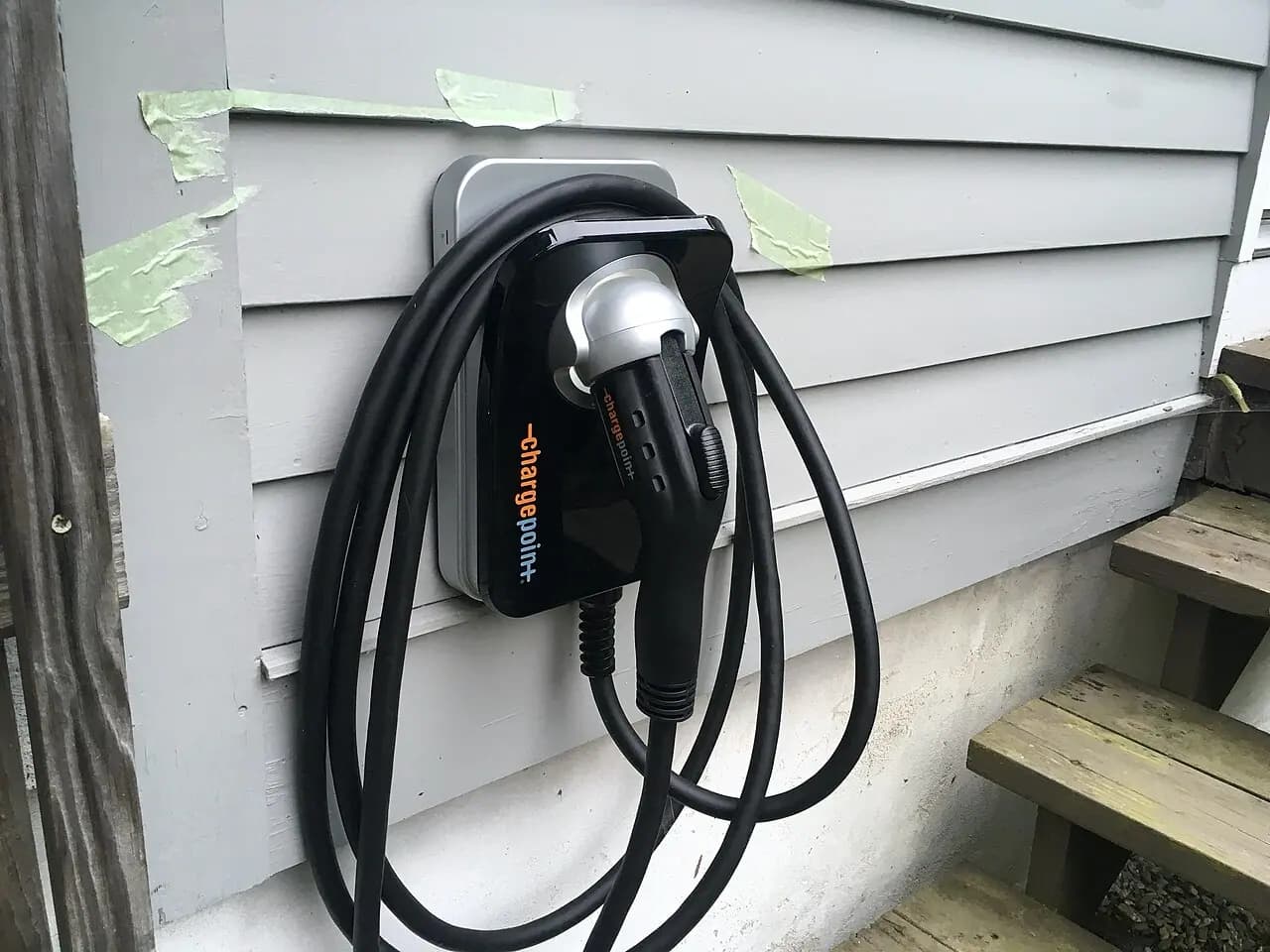
Give the installer your vehicle, usual parking location, approximate daily use and time available for charging. Identify whether more than one vehicle is planned. The goal is suitable charging for your routine, not automatically the highest available output. DOE describes home Level 1 and Level 2 options; the right installation needs a property and equipment assessment.
Supporting sources: DOE Alternative Fuels Data Center — charging at home
Show the actual route
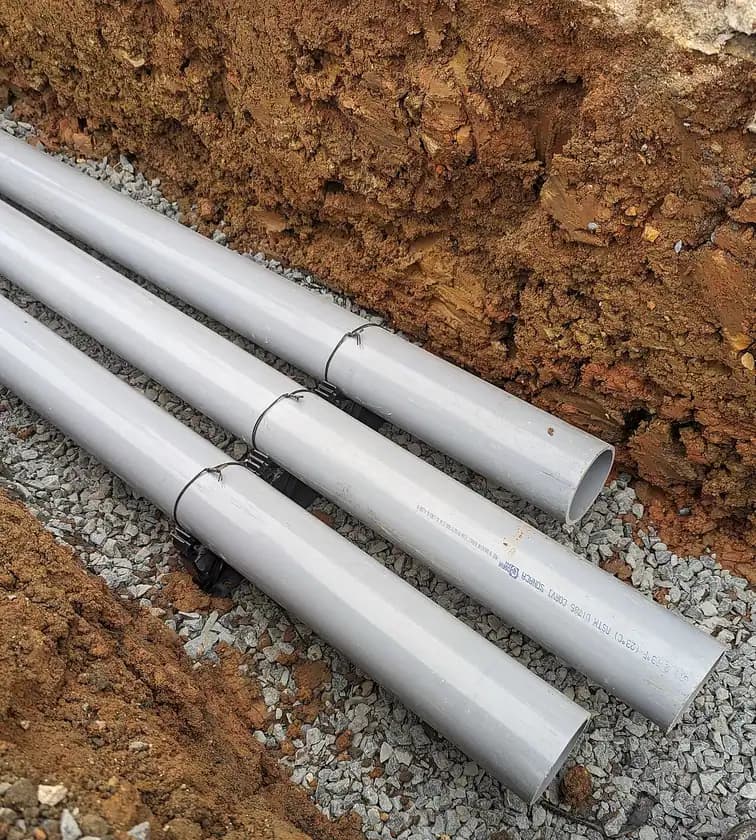
Discuss the distance and path from supply equipment to parking, mounting location, weather exposure, cable reach and access. Ask what trenching, wall penetrations or finish repairs are included. Keep photos exterior to electrical equipment; do not remove covers to help price the job. If the property is rented or shared, establish authorization before equipment is ordered.
Compare the complete installation
Keep conditional work separate from the base quote. A clear allowance is easier to evaluate than a promise that unknown infrastructure work will be inexpensive.
| What you notice | What to record | Useful next step |
|---|---|---|
| Capacity and circuit | Assessment and proposed design | What supports this charging level? |
| Physical route | Pathways, mounting and restoration | Which surfaces and distances are included? |
| Approvals and use | Permit, commissioning and instructions | Who confirms the finished installation? |
Confirm commissioning and ongoing use
Ask for appropriate testing, configuration, circuit identification and user instructions. Check the exact equipment’s safety certification and manufacturer requirements. PNNL’s residential charging guide supports planning installation with a qualified electrician. Keep account ownership and access with the responsible household and review network or subscription requirements separately from electrical work.
Supporting sources: PNNL Building America — residential EV charging design
Questions homeowners ask
Is a charger price the installed cost?
Usually it does not define all site work. Ask about circuit, pathway, mounting, capacity, permits and restoration before comparing totals.
Can I use any convenient garage outlet?
Have the intended charging arrangement assessed. Outlet appearance does not establish circuit suitability, condition or compliance with equipment instructions.
Does a higher charging rating always help me?
Not necessarily. Vehicle capability, daily driving and available charging time matter. Compare the useful result against the enabling work and cost.
Sources & verification
LocalFoundry checked these primary resources to support the statements cited above. Selection of a source does not imply its endorsement of LocalFoundry or a service provider.
- DOE Alternative Fuels Data Center — charging at home · Source checked October 26, 2026
- PNNL Building America — residential EV charging design · Source checked October 26, 2026
Confirm current requirements with the authority or equipment manufacturer for your property. This is general homeowner guidance, not a diagnosis, engineering design or promise of service.