Garbage disposal or drain problem? What to tell the plumber
A noisy disposal, a nonstarting unit and a sink that will not drain are different observations. Keep hands out and describe the symptom before arranging appliance or plumbing service.
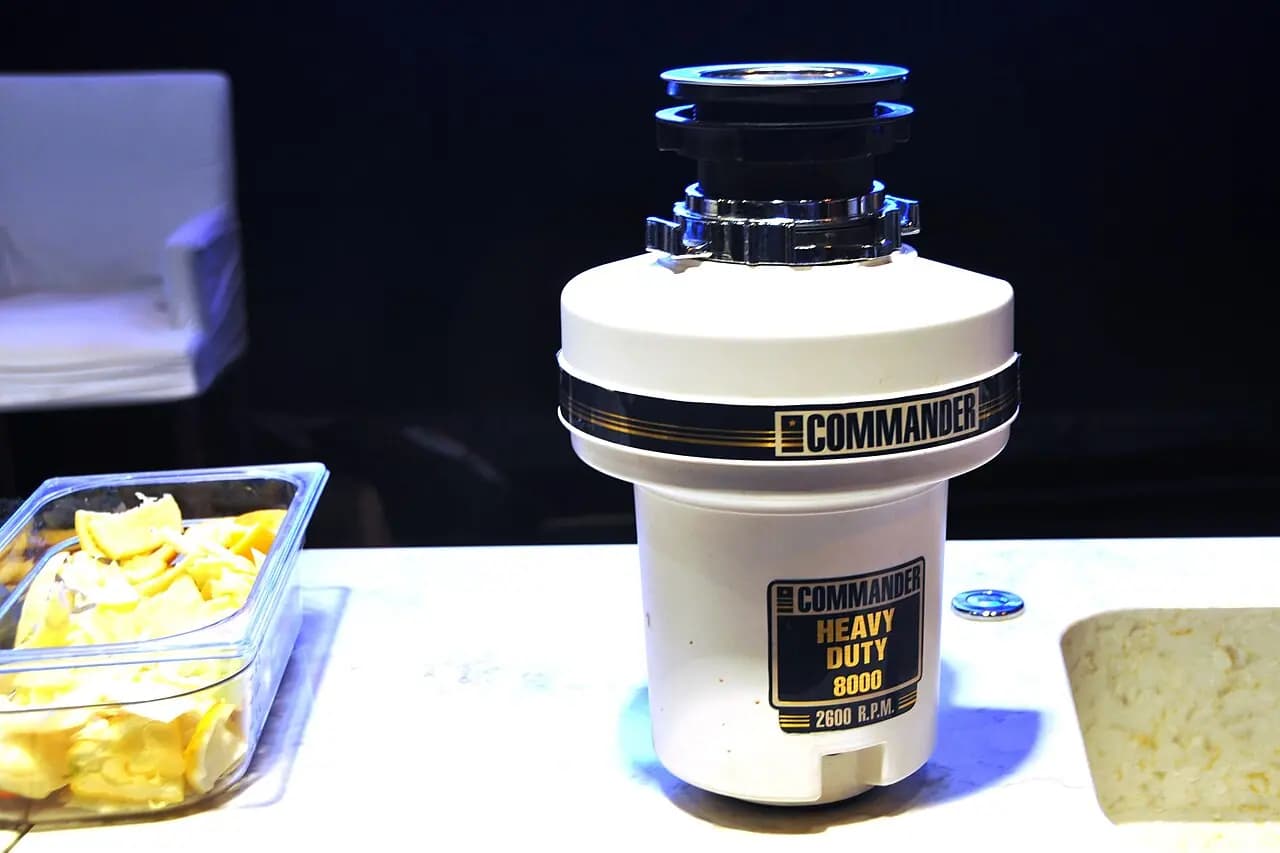
Describe appliance and water separately
Does the unit remain silent, hum, make a new noise or seem to run normally while water sits in the sink? Is the other basin affected? Record what preceded the problem. Do not repeatedly energize a unit behaving abnormally. A drainage restriction and an appliance defect need different evidence even when the complaint starts at the same sink.
Use the exact model instructions
Locate the model from accessible paperwork or a label. Keep hands out of the disposal. Servicing may require isolation and model-specific procedures, so get qualified help if unsure. Do not add caustic drain cleaner or improvise tools while power may be present. InSinkErator’s care manual warns against putting grease or fat into the disposal or drain.
Supporting sources: InSinkErator — disposal installation, care and use
Frame the service request
Explain whether appliance operation, drainage or leakage is the main concern. Ask whether the visit can assess the relevant connected systems.
| What you notice | What to record | Useful next step |
|---|---|---|
| Runs but water remains | Affected basins and onset | Assess the drainage path |
| Hums or makes new noise | Model and preceding event | Stop use; arrange service |
| Water beneath the sink | First wet point and timing | Assess leakage separately |
Compare the full reconnection scope
Ask whether diagnosis, compatible parts, electrical connection, drain reconnection, disposal and leak checks are included. Confirm qualifications for electrical work. Replacing an appliance without addressing a downstream restriction may leave the original problem unresolved. Keep the model and care instructions so future maintenance matches the installed unit.
Questions homeowners ask
Should I reach inside to remove an object?
No. Keep hands out and follow the manufacturer’s safety instructions. If isolation or the procedure is unclear, arrange qualified assistance.
Does a slow sink prove the disposal is worn out?
No. The downstream path may be restricted while the unit still operates. Ask how assessment distinguishes a drain issue from an appliance defect.
Can grease go down with hot water?
InSinkErator’s care guidance says not to put grease or fat into the disposal or drain. Follow the exact equipment instructions and appropriate household disposal practices.
Sources & verification
LocalFoundry checked these primary resources to support the statements cited above. Selection of a source does not imply its endorsement of LocalFoundry or a service provider.
- InSinkErator — disposal installation, care and use · Source checked October 26, 2026
Confirm current requirements with the authority or equipment manufacturer for your property. This is general homeowner guidance, not a diagnosis, engineering design or promise of service.