Before buying indoor-air upgrades, identify the source
Start with the pollutant or moisture concern, then compare source control, ventilation and filtration. No single air-cleaning product removes every indoor pollutant.
Define the concern precisely
Separate visible moisture, cooking odors, smoke infiltration, dust and a health concern. Note where and when it happens and any recent renovation or activity. Do not identify a substance from color or smell alone. If occupants have medical concerns, seek appropriate health advice rather than treating an HVAC sales visit as a medical diagnosis.
Understand what each tool can do
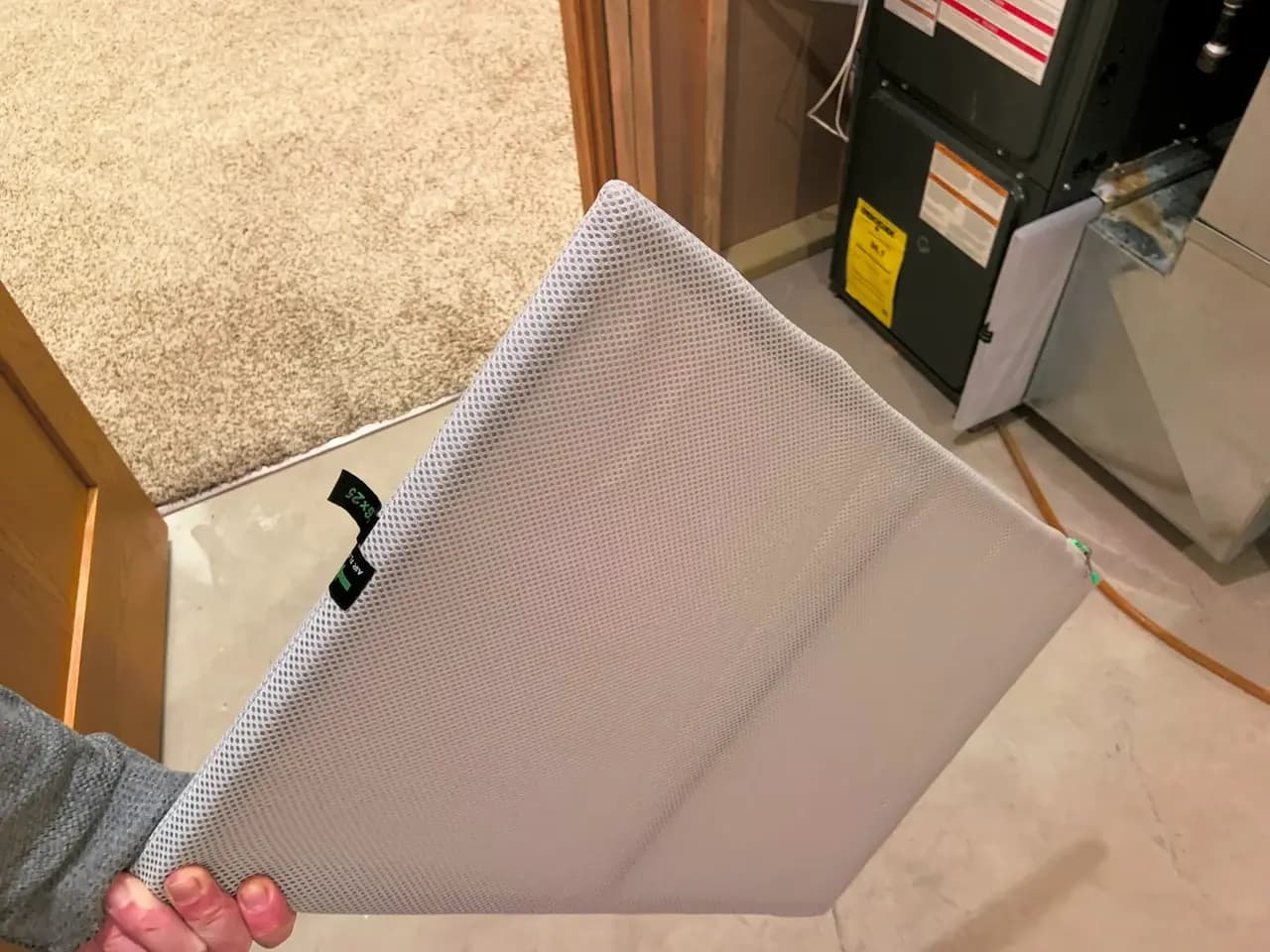
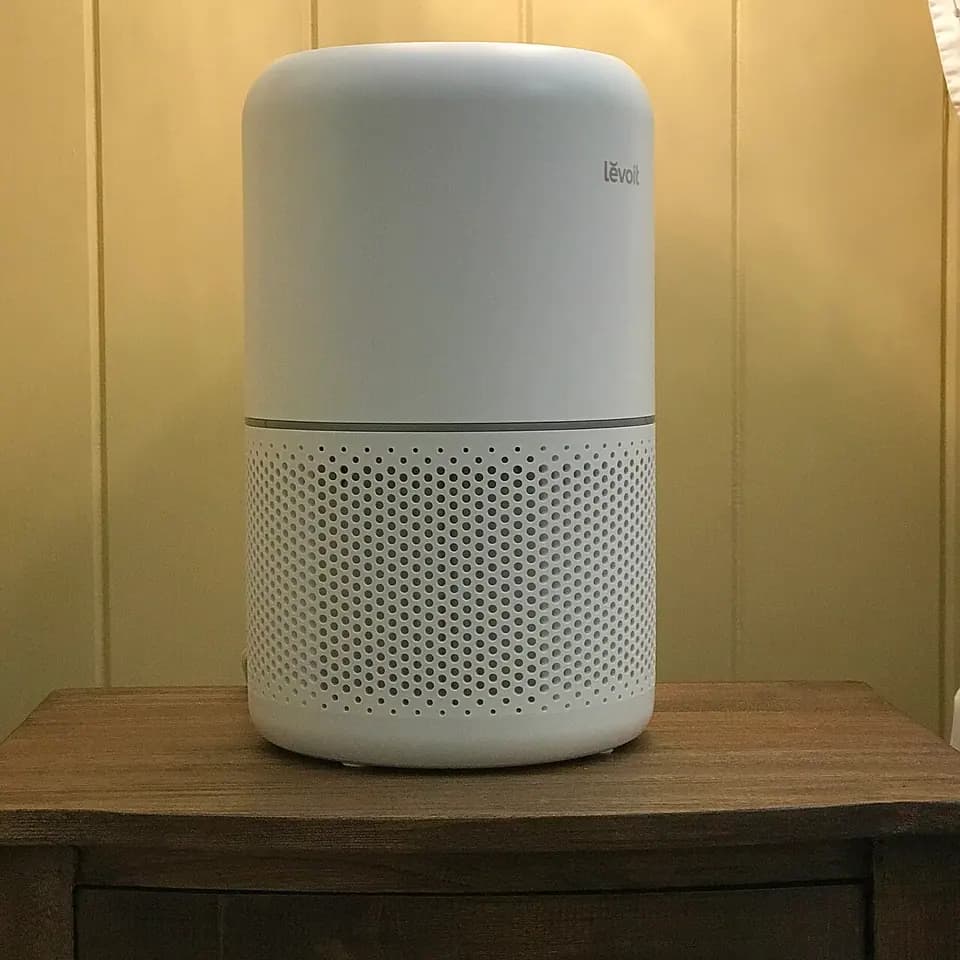
EPA describes filtration as a supplement to source control and suitable ventilation. Particle filters and gas-removal approaches differ. Ask which specific concern a product addresses and what performance evidence applies to the exact model and intended room or system. A broad clean-air claim is incomplete without these details.
Supporting sources: EPA — air cleaners and HVAC filters
Compare the proposed action to the concern
The right question is whether the intervention fits the source and space. Ask what will remain unresolved after installation.
| What you notice | What to record | Useful next step |
|---|---|---|
| Known moisture source | Leak or condensation assessment | Correct the source and affected materials |
| Particles in a room | Room size and filtration performance | Choose and maintain suitable equipment |
| Odor or gas concern | Source and product-specific capability | Do not assume a particle filter handles gases |
Plan measurement and maintenance
Ask how the result will be assessed and how consumables or settings are maintained. Keep the original concern and baseline observations. EPA’s mold guidance emphasizes moisture control; filtration should not disguise an ongoing water problem. Avoid buying several upgrades at once without a way to understand which one addresses the documented issue.
Supporting sources: EPA — moisture control and water damage
Questions homeowners ask
Can an air purifier remove everything harmful?
No. Capabilities differ by pollutant, model, use and maintenance. Ask for specific evidence and address sources and appropriate ventilation as well.
Should I buy equipment before finding the moisture source?
An active moisture problem needs assessment and correction. Air-cleaning equipment should not delay repair or be presented as a substitute for addressing wet materials.
Does an indoor-air sales test diagnose illness?
No. Medical concerns require appropriate clinical advice. Building observations and product performance should not be represented as a diagnosis of an occupant’s condition.
Sources & verification
LocalFoundry checked these primary resources to support the statements cited above. Selection of a source does not imply its endorsement of LocalFoundry or a service provider.
- EPA — air cleaners and HVAC filters · Source checked October 26, 2026
- EPA — moisture control and water damage · Source checked October 26, 2026
Confirm current requirements with the authority or equipment manufacturer for your property. This is general homeowner guidance, not a diagnosis, engineering design or promise of service.