How to recognize a professional plumber before approving work
Look for verifiable credentials and a clear written process: who will do the work, what was tested, what is included and how changes are approved. A polished truck or low quote is not a substitute for these checks.
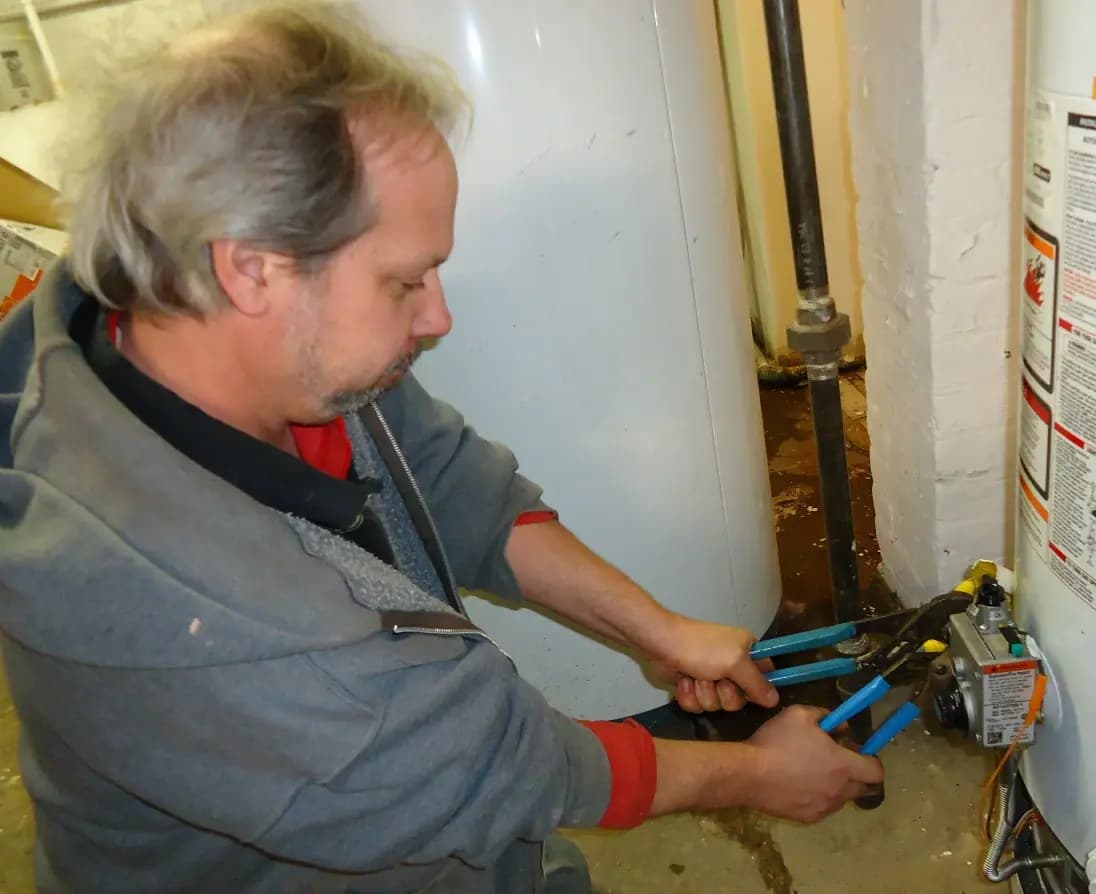
Verify the business behind the appointment
Ask for the legal business name and license information applicable to the work, then check the responsible authority independently. Utah consumer guidance points homeowners to DOPL verification. Match the contracting entity to the estimate and invoice rather than assuming whoever answers a shared phone line holds the license. Request appropriate insurance information and identify subcontractors. Licensing is one check, not a guarantee of future performance.
Supporting sources: Utah Commerce — home improvement consumer guidance
Expect findings before a recommendation
A useful explanation identifies what was observed, how it was tested and what remains uncertain. For recurring drain trouble, ask why the initial scope is clearing, camera inspection or repair. For a leak, ask how it was located and whether opening finished surfaces is included. The contractor should make the decision understandable without pretending concealed conditions are already known.
Compare behavior you can verify
An incomplete answer is a reason to clarify scope. Use these questions before authorizing work rather than judging solely by marketing or a sales presentation.
| What you notice | What to record | Useful next step |
|---|---|---|
| Only a total is listed | Work area, materials and exclusions | Request a written scope |
| Permit responsibility is unclear | Applicant and inspection arrangements | Confirm with the local authority |
| Immediate full payment is demanded | Written payment schedule | Pause and review consumer guidance |
Document changes and completion
Agree who can approve extra work and what evidence supports it. A newly discovered defect can change the project, but that change should be explained before additional work when circumstances allow. Keep estimates, approvals, photos and warranty terms. FTC guidance warns against pressure tactics and full upfront payment. Submitting a service enquiry is not signing a construction contract.
Supporting sources: FTC — avoiding home improvement scams, Utah DOPL — residential construction agreements
Questions homeowners ask
Does a directory listing verify professional credentials?
No. Ask the receiving company for its legal identity, applicable license and insurance information. A listing or phone connection does not replace those checks for your particular project.
Is the cheapest estimate the best value?
Compare matching scopes first. Access, restoration, permits and disposal may be included in one proposal and excluded in another. Clarify differences before judging the totals.
What if another problem is found during the repair?
Ask for the finding, evidence, options and added cost in writing. Follow the agreed change process and ask what temporary protection is possible while a larger decision is considered.
Sources & verification
LocalFoundry checked these primary resources to support the statements cited above. Selection of a source does not imply its endorsement of LocalFoundry or a service provider.
- FTC — avoiding home improvement scams · Source checked October 26, 2026
- Utah Commerce — home improvement consumer guidance · Source checked October 26, 2026
- Utah DOPL — residential construction agreements · Source checked October 26, 2026
Confirm current requirements with the authority or equipment manufacturer for your property. This is general homeowner guidance, not a diagnosis, engineering design or promise of service.