Electrical questions before a kitchen or bathroom remodel
Confirm appliance specifications, lighting controls, circuits, protection and inspection timing before cabinets and finishes conceal the work. Cosmetic plans do not define the electrical installation.
Start with the final equipment schedule
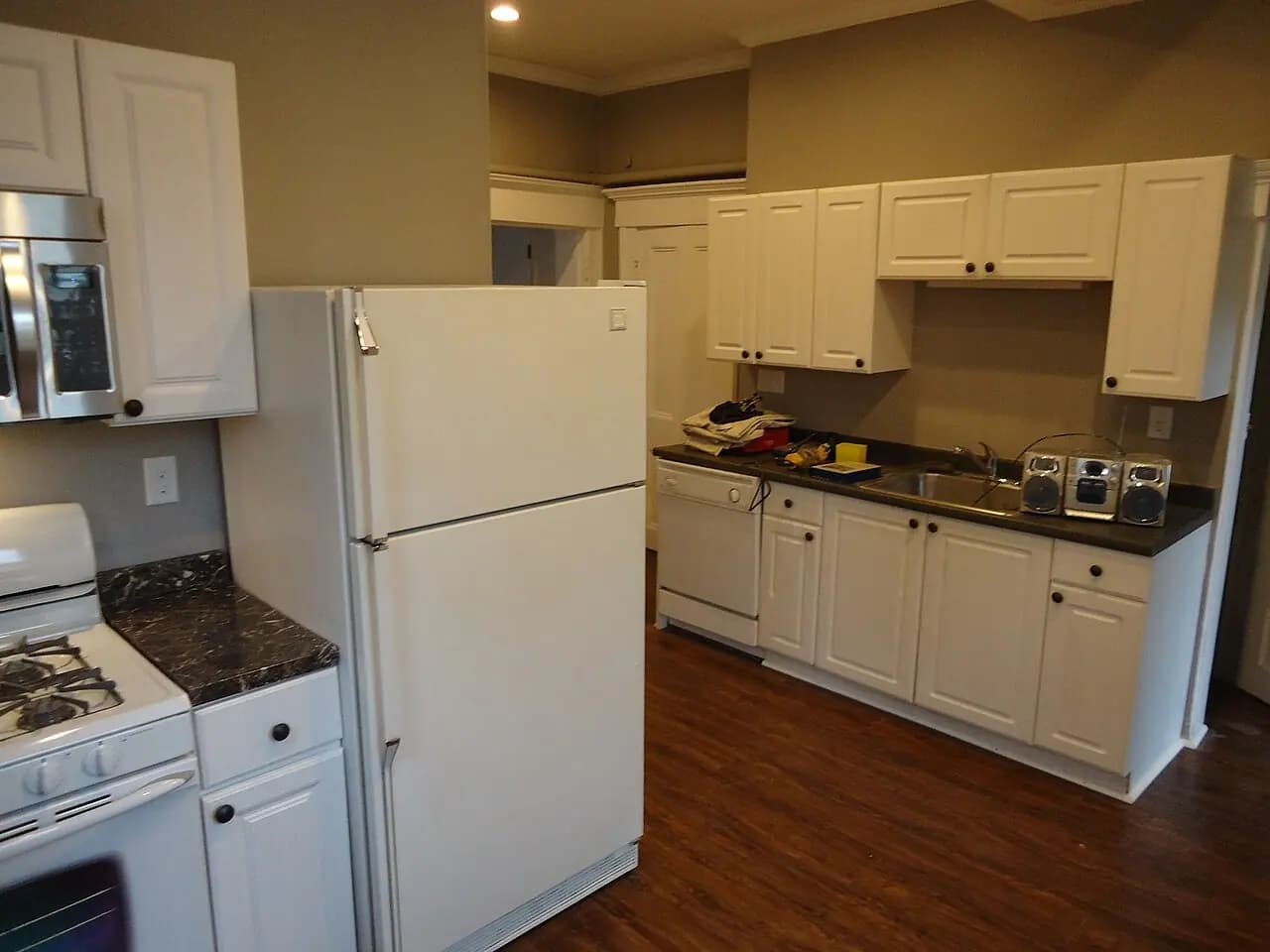
Share actual appliance, ventilation, lighting and control specifications as early as possible. Note what moves, what is added and which items are still undecided. A replacement appliance may have different requirements from the old one. Avoid treating a preliminary floor plan as authorization for all later product changes.
Coordinate the concealed interfaces
Ask who confirms electrical requirements and coordinates with plumbing, cabinetry and finish trades. Locations need to work with clearances, access and intended use. Discuss protection and current local requirements with the electrician and authority rather than choosing devices solely from inspiration photos. ESFI’s GFCI resource explains one protective function; it is not a complete remodel code checklist.
Supporting sources: Electrical Safety Foundation — ground-fault circuit interrupters, CPSC — guide to home wiring hazards
Set the approval sequence
Identify when selections must be fixed and which inspections occur before work is covered. Late changes should have a clear cost and authorization process.
| What you notice | What to record | Useful next step |
|---|---|---|
| Selections | Exact appliances, lights and controls | Confirm requirements before rough-in |
| Concealed installation | Circuits, locations and pathways | Coordinate inspection before closure |
| Finished use | Controls, labels and instructions | Demonstrate the completed arrangement |
Keep changes and completion documented
Clarify opening and restoring surfaces, temporary power arrangements and cleanup. The FTC recommends written scope and agreements; use these to assign responsibility rather than assuming the general contractor and electrician have already resolved every interface. Retain final specifications and approval records for future appliance replacements or servicing.
Supporting sources: FTC — avoiding home improvement scams
Questions homeowners ask
Can I change appliances after wiring is installed?
Possibly, but requirements may differ. Get the change reviewed and approved before assuming the existing installation suits the new model.
Does a remodel photo show all required safety devices?
No. It cannot establish concealed wiring, protective functions or local requirements. Use a qualified design and the responsible authority’s requirements.
Who schedules inspection before walls close?
Assign that responsibility explicitly in the project agreement. Confirm the required approval rather than treating a construction schedule as permission to cover work.
Sources & verification
LocalFoundry checked these primary resources to support the statements cited above. Selection of a source does not imply its endorsement of LocalFoundry or a service provider.
- CPSC — guide to home wiring hazards · Source checked October 26, 2026
- Electrical Safety Foundation — ground-fault circuit interrupters · Source checked October 26, 2026
- FTC — avoiding home improvement scams · Source checked October 26, 2026
Confirm current requirements with the authority or equipment manufacturer for your property. This is general homeowner guidance, not a diagnosis, engineering design or promise of service.