Planning several electric upgrades? Assess them together
Bring planned heating, cooking, water-heating and EV loads into one electrical discussion. Coordinated assessment can reveal dependencies that separate appliance quotes may miss.
Build a future-load list
List upgrades you are seriously considering and distinguish committed work from ideas. Include models or specifications when available, preferred timing and what existing equipment will be removed. An electrician can assess a defined brief more effectively than a vague request to make the home future proof. Avoid adding appliance nameplate figures yourself and treating the sum as a completed service calculation.
Coordinate design choices across trades
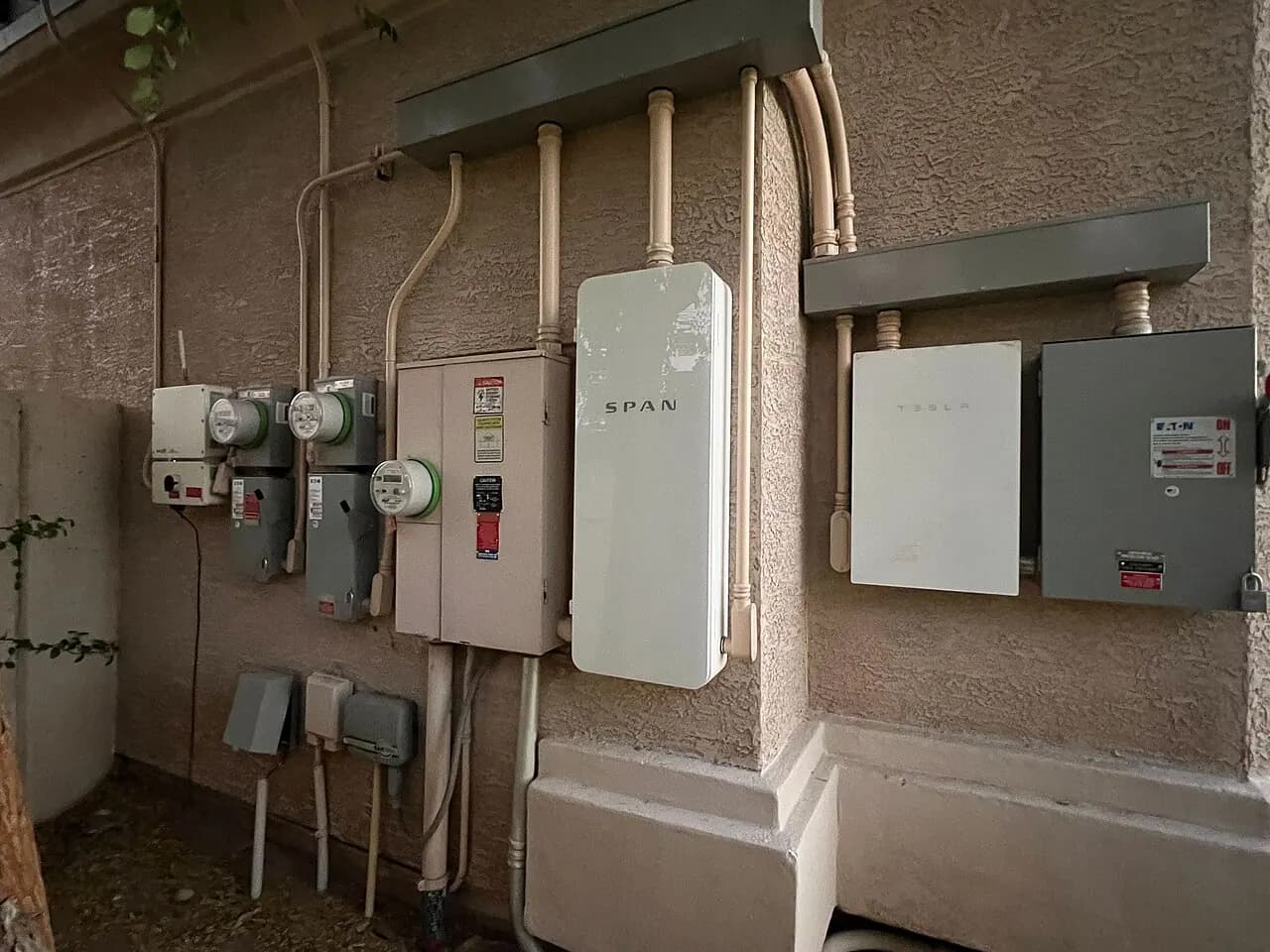
Heating and charging designs can affect electrical scope, and electrical constraints can affect equipment choices. Ask providers to share specifications and identify who performs the load assessment. PNNL’s EV and heat-pump resources support evaluating equipment and infrastructure together. Do not assume the highest advertised charger output or a particular heating backup strategy is necessary for your routine.
Supporting sources: PNNL Building America — residential EV charging design, PNNL Building America — cold-climate heat-pump sizing and selection
Make the sequence visible
A phased plan should state which enabling work belongs to each phase and what future assumptions remain unconfirmed.
| What you notice | What to record | Useful next step |
|---|---|---|
| Committed equipment | Models and operating needs | What electrical work is required now? |
| Possible future loads | Likely timing and alternatives | What should be allowed for? |
| Shared enabling work | Panel, pathways and controls | Which trade owns each dependency? |
Compare alternatives before construction
Ask about feasible equipment and control options, supply upgrades and installation disruption. Confirm permits, utility coordination and completion records. Keep the final assessment with the property documents so the next contractor knows which loads were actually included. Future planning is useful only when assumptions are documented and revisited as equipment choices change.
Questions homeowners ask
Can I simply total appliance wattages to size service?
That is not a substitute for a qualified load assessment under applicable requirements. Provide specifications and operating needs and let the responsible professional explain the method.
Should I buy the biggest charger for future needs?
Not automatically. Charging routine, vehicle capability, supply and design options matter. Ask for a plan that fits actual needs and clearly stated future assumptions.
Can HVAC and electrical quotes be reviewed separately?
They can be priced separately, but interfaces need coordination. Identify who confirms equipment specifications, power requirements and any necessary enabling work.
Sources & verification
LocalFoundry checked these primary resources to support the statements cited above. Selection of a source does not imply its endorsement of LocalFoundry or a service provider.
- PNNL Building America — residential EV charging design · Source checked October 26, 2026
- PNNL Building America — cold-climate heat-pump sizing and selection · Source checked October 26, 2026
Confirm current requirements with the authority or equipment manufacturer for your property. This is general homeowner guidance, not a diagnosis, engineering design or promise of service.