A home office needs an electrical plan, not more adapters
List equipment, normal use, outlet locations and backup needs before adding cords and strips. A convenient plug arrangement does not establish circuit capacity or suitable permanent wiring.

Inventory the real workday
List computers, monitors, printers, network equipment and other devices, including any room heater or appliance used nearby. Mark where each sits and where cords currently cross walkways. Tell the electrician about recurring trips, heat or damaged connections separately from the wish for more outlets. Do not add loads just to see whether a circuit can handle them.
Separate convenience, protection and continuity
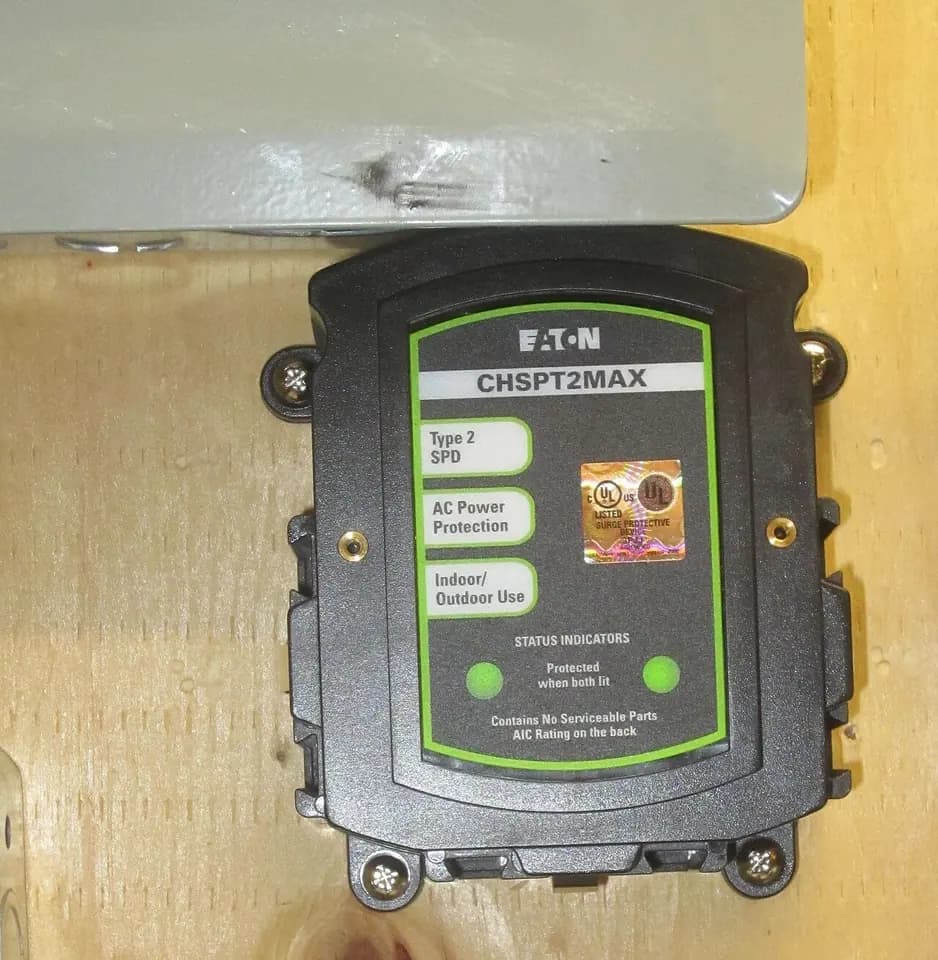
More outlets, surge protection and backup power serve different purposes. A strip may improve plug access without adding circuit capacity. A backup device may keep selected equipment operating without correcting unsafe wiring. ESFI’s surge guidance and CPSC’s cord resources help distinguish product functions. Ask the provider which problem each proposed item addresses.
Supporting sources: CPSC — extension cord safety, Electrical Safety Foundation — surge protective devices
Build a practical office brief
Use the room layout and equipment list to compare permanent work with temporary convenience products. Keep future assumptions visible.
| What you notice | What to record | Useful next step |
|---|---|---|
| Equipment and use | Normal devices and operating patterns | What assessment supports capacity? |
| Placement | Desk, cable paths and access | Where are permanent outlets useful? |
| Continuity | Critical devices and expected downtime | What separate backup plan is appropriate? |
Define completion and maintenance
Confirm outlet and circuit identification, suitable protection and applicable approvals. Ask for safe product placement and operating instructions. Keep cords visible enough to inspect and follow manufacturer load limits. CPSC’s safety checklist is a useful reminder that damaged connections and improvised cord routes deserve attention even when equipment still appears to work.
Supporting sources: CPSC — home electrical safety checklist
Questions homeowners ask
Does a new strip add electrical capacity?
No. It adds connection points, not a new circuit’s capacity. Ask an electrician to assess normal loads and permanent needs.
Can I put a heater on the same strip as computers?
Follow the heater’s instructions; CPSC says electric space heaters should plug directly into a wall outlet, not a strip or extension cord. Discuss the room’s electrical arrangement with a qualified provider.
Should backup power and surge protection be compared as one thing?
No. They have different functions. Identify the exact equipment and desired outcome before deciding what protection or continuity solution is appropriate.
Sources & verification
LocalFoundry checked these primary resources to support the statements cited above. Selection of a source does not imply its endorsement of LocalFoundry or a service provider.
- CPSC — extension cord safety · Source checked October 26, 2026
- CPSC — home electrical safety checklist · Source checked October 26, 2026
- Electrical Safety Foundation — surge protective devices · Source checked October 26, 2026
- CPSC — winter heating and space-heater safety · Source checked October 26, 2026
Confirm current requirements with the authority or equipment manufacturer for your property. This is general homeowner guidance, not a diagnosis, engineering design or promise of service.