Know your water shutoffs before a leak
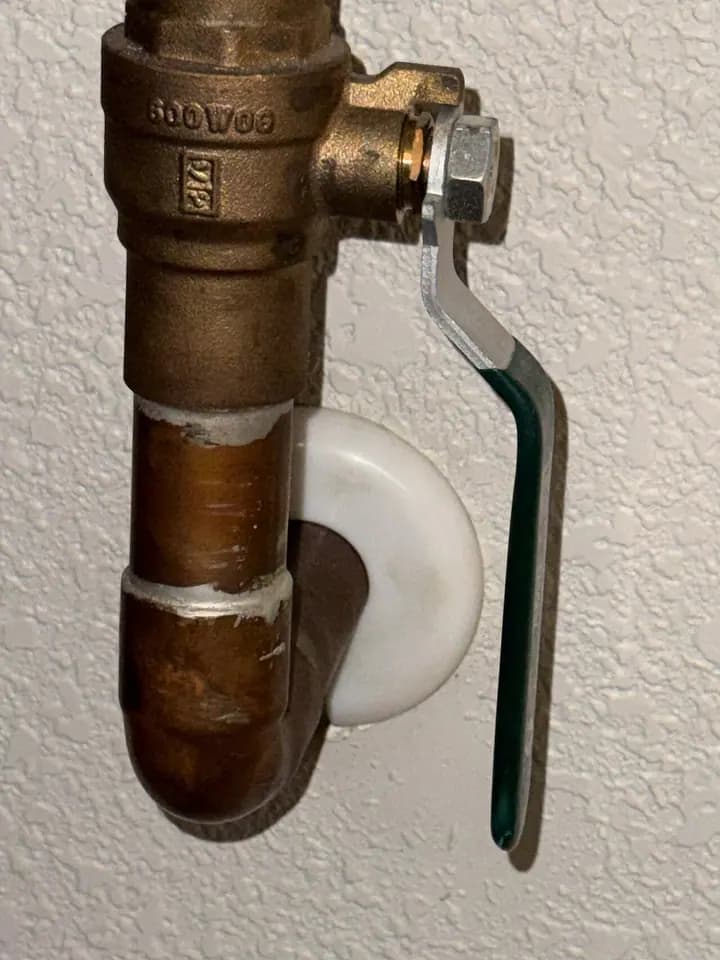
Identify accessible water controls before an emergency, learn what each one serves and keep that information with the household’s service contacts. Never force an unfamiliar or seized valve.
Make identification a planned task
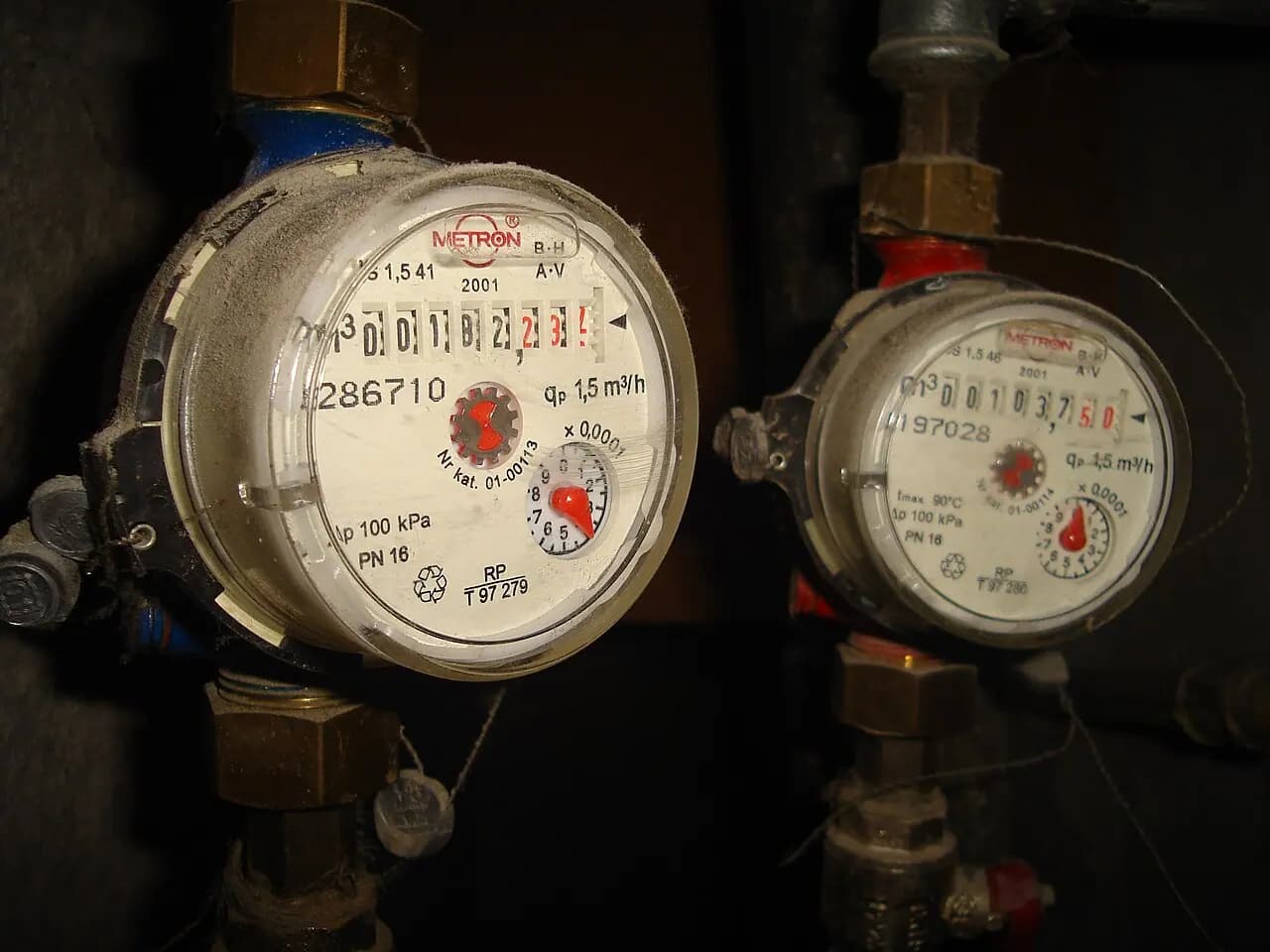
Ask a plumber or responsible building operator to identify the property supply shutoff and fixture controls. Photograph their locations from safe access points and label what each controls. A utility-owned valve, a shared-building control and an owner-accessible shutoff may have different rules. Do not assume every valve near a meter is yours to operate.
Account for everyone who depends on the supply
Discuss rental units, shared services, irrigation, water-heating equipment and any special systems before planning a shutoff. Confirm who must be notified and how service should be restored. The appropriate procedure depends on the property; a label alone is not operating instruction. Ask what signs of deterioration or difficult access should trigger maintenance before a leak occurs.
Create a useful control record
Keep the record available offline. Avoid publishing access codes or detailed security information in public photographs or service enquiries.
| What you notice | What to record | Useful next step |
|---|---|---|
| Control identity | Photo and location | Who owns and may operate it? |
| Supply served | Fixtures or building areas affected | Who must be notified? |
| Operating plan | Professional demonstration and limits | What should occupants avoid doing? |
Connect the plan to leak response
A leak monitor can alert or shut water automatically, but its installation must fit the same supply arrangement. EPA distinguishes monitoring and shutoff technologies. Ask for a demonstration and a maintenance plan rather than assuming automation removes the need to know the controls. If active leakage creates unsafe access, keep away and arrange urgent help instead of trying to reach the valve.
Supporting sources: EPA — leak detection and flow monitoring
Questions homeowners ask
Should I test an old valve by forcing it closed?
No. A seized or deteriorated valve can fail when forced. Ask a plumber to assess it and explain a safe maintenance or replacement plan.
Can I operate the utility’s street valve?
Do not assume so. Confirm ownership and rules with the utility. Keep the household plan focused on controls you are authorized and able to operate safely.
Do automatic shutoffs make labels unnecessary?
No. Occupants still need to understand coverage, overrides, notifications and restoration. Keep the installer’s instructions and the normal control information together.
Sources & verification
LocalFoundry checked these primary resources to support the statements cited above. Selection of a source does not imply its endorsement of LocalFoundry or a service provider.
- EPA — leak detection and flow monitoring · Source checked October 26, 2026
- EPA WaterSense — home maintenance · Source checked October 26, 2026
Confirm current requirements with the authority or equipment manufacturer for your property. This is general homeowner guidance, not a diagnosis, engineering design or promise of service.