Before freezing weather: a plumbing preparation plan
Identify vulnerable lines and accessible shutoffs before a cold spell. If a pipe may already be frozen, avoid open flames and seek qualified help when its location or access is uncertain.
Walk the property before trouble starts
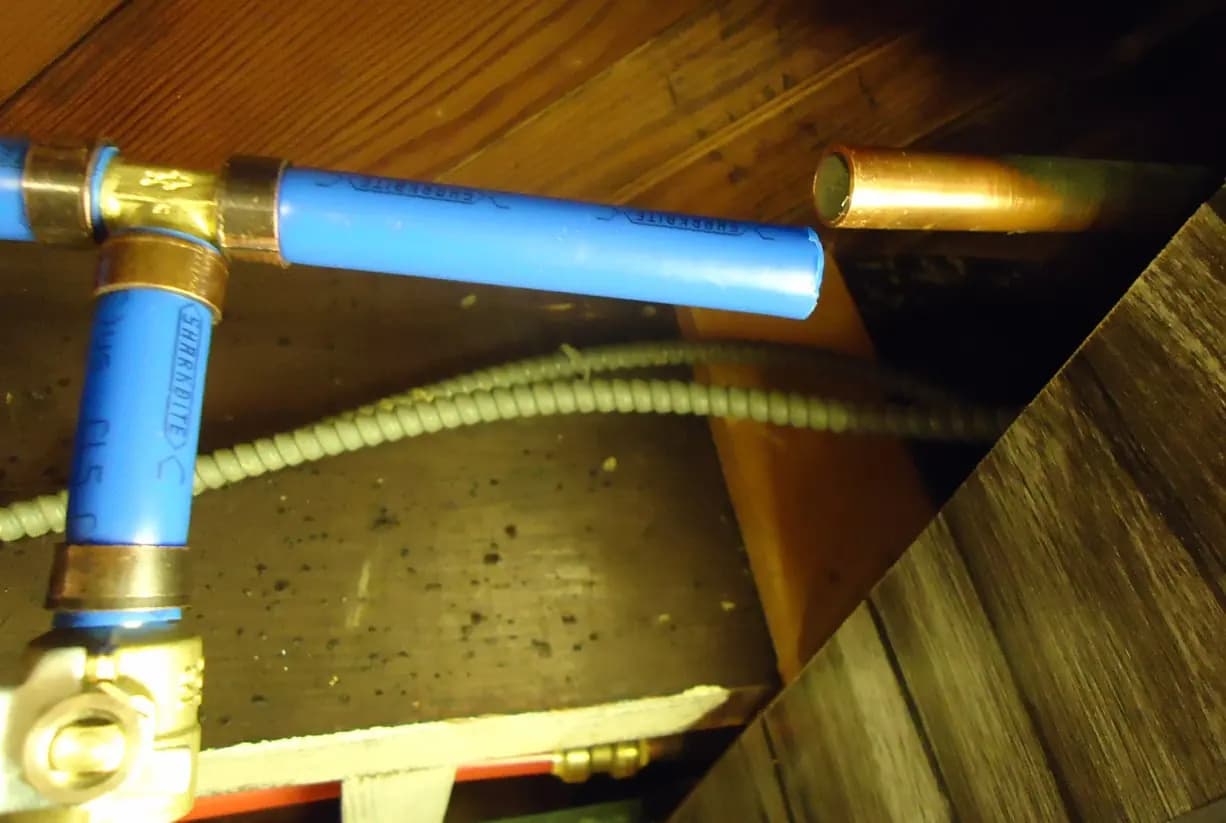
List exposed or poorly protected water lines, outdoor fixtures and areas hard to keep warm. Ask the manager about vacant rooms, additions, garages and previous freeze incidents. Actual exposure matters more than assuming every house has the same risk at a particular outdoor temperature. Photograph accessible areas for a plumber without opening walls or entering unsafe spaces.
Match preparation to the fixture
Follow outdoor-faucet and irrigation equipment instructions. Some arrangements require draining or isolation; others have different requirements. Disconnecting a hose does not establish that every concealed connection is protected. Ask a plumber to identify unfamiliar valves and do not force them. The Red Cross recommends licensed assistance when a suspected frozen area cannot be located or accessed.
Supporting sources: American Red Cross — preventing and responding to frozen pipes
Resolve missing information early
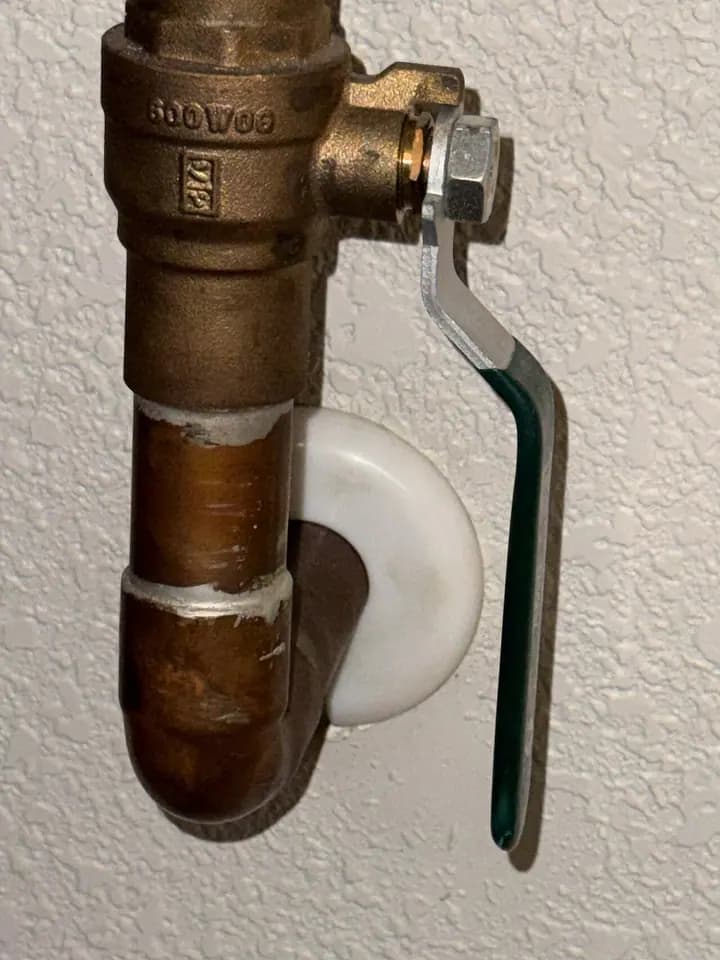
A label is useful only when occupants know what the valve controls and can safely reach it. Plan before severe weather makes access difficult.
| What you notice | What to record | Useful next step |
|---|---|---|
| Outdoor fixtures | Type and manufacturer instructions | Confirm the seasonal procedure |
| Cold or vacant areas | History and heating arrangements | Plan property-specific protection |
| Unfamiliar controls | Accessible photos and ownership | Identify them before an emergency |
Respond to lost flow cautiously
No flow during cold weather does not locate a frozen section. Do not use a torch or open flame; keep electrical devices away from wet areas. Get qualified help for concealed or inaccessible conditions. After service returns, monitor for leakage and ask whether repair or drying is necessary. Restored flow alone does not demonstrate that no damage occurred.
Questions homeowners ask
At what exact outdoor temperature will pipes freeze?
There is no single useful threshold for every installation. Exposure, heating, insulation, wind and pipe location affect risk. Plan around the vulnerable areas of the property.
Can I use a flame to thaw a pipe?
No. Do not use an open flame. For concealed areas or uncertainty about safe response, contact a qualified plumber rather than improvising heat around building materials.
Should I shut off every water supply during cold weather?
Not as a blanket rule. Ask what the property and its equipment require, including special systems. Use a planned, understood procedure rather than experimenting with unfamiliar valves.
Sources & verification
LocalFoundry checked these primary resources to support the statements cited above. Selection of a source does not imply its endorsement of LocalFoundry or a service provider.
- American Red Cross — preventing and responding to frozen pipes · Source checked October 26, 2026
Confirm current requirements with the authority or equipment manufacturer for your property. This is general homeowner guidance, not a diagnosis, engineering design or promise of service.