GFCI, AFCI and surge protection: three different jobs
These devices address different hazards. A surge protector does not replace shock or arc-fault protection, and a protective label should be understood in the context of the actual installation.
Start with the protection goal
Homeowners often hear several terms during one electrical proposal. Ask which hazard each proposed device addresses and where it belongs. A package described only as safety upgrades can hide important differences in function, placement and compatibility. Keep the explanation tied to your property and project rather than assuming one product provides every type of protection.
Use the terms accurately
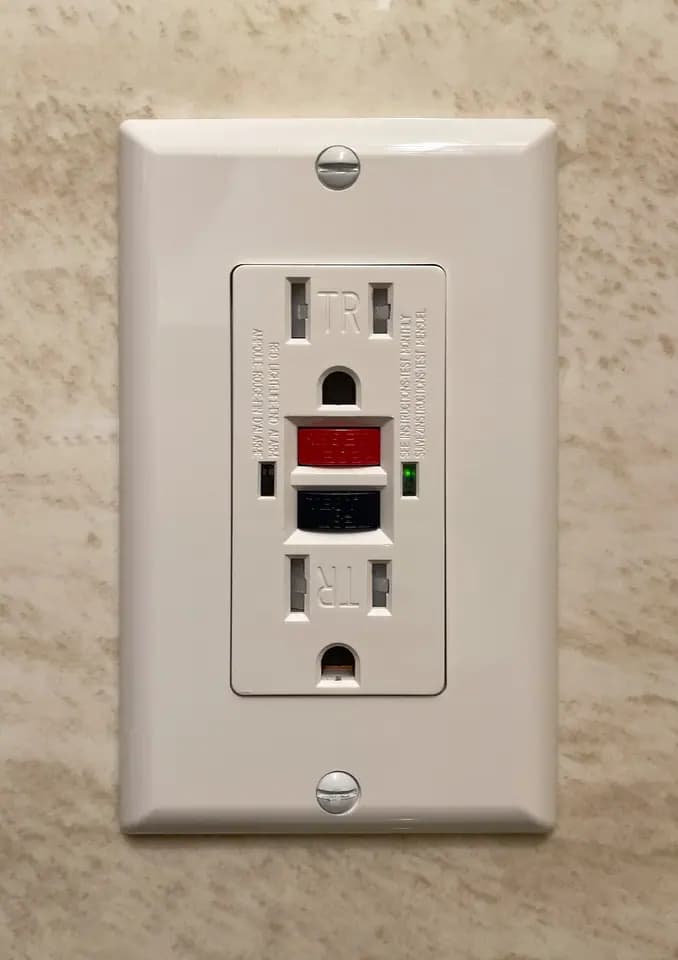
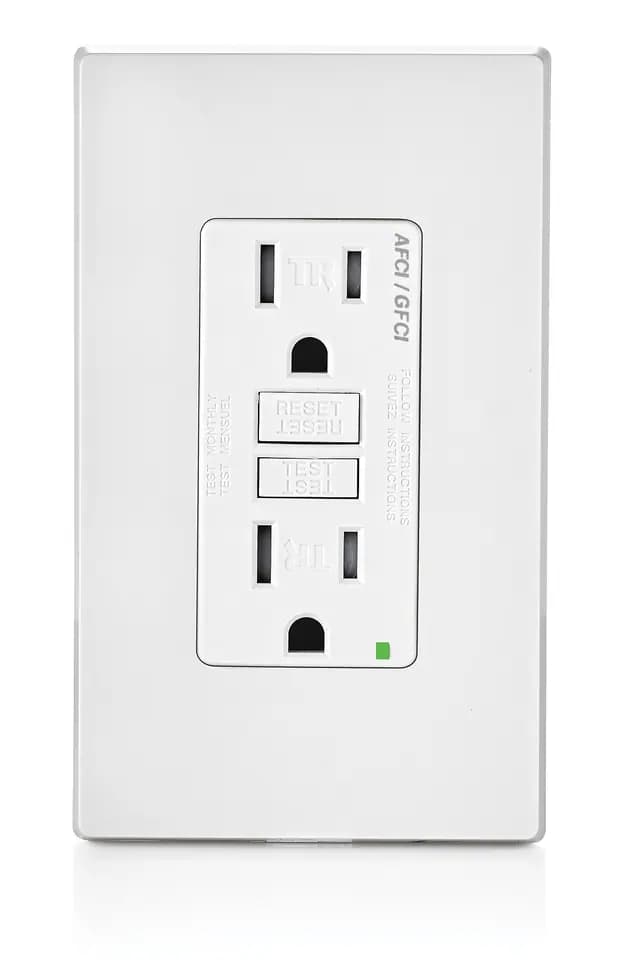
ESFI explains GFCIs in relation to ground-fault shock protection, AFCIs in relation to hazardous arcing and surge protective devices in relation to transient overvoltage. These are not interchangeable functions. Combined devices may exist, but the exact equipment and installation still need to be identified. Avoid deciding requirements from a product name alone.
Supporting sources: Electrical Safety Foundation — ground-fault circuit interrupters, Electrical Safety Foundation — arc-fault circuit interrupters, Electrical Safety Foundation — surge protective devices
Compare the intended functions
This overview explains the questions to ask, not the code requirements for a particular property. Confirm requirements with the electrician and local authority.
| Term | General purpose | Installation question |
|---|---|---|
| GFCI | Ground-fault shock protection | Which outlets or circuit does it protect? |
| AFCI | Detection of hazardous arcing conditions | What arrangement and compatibility apply? |
| Surge protection | Limiting certain transient overvoltages | What coverage and limitations are specified? |
Ask for a documented design
Request the locations, exact devices and appropriate checks. Clarify existing protection, compatibility and any required permits. A device should not be added by bypassing another protective function. Keep the instructions so occupants know how routine tests and indicators work, and whom to call after abnormal behavior.
Questions homeowners ask
Does a surge strip protect against every electrical hazard?
No. Its intended function differs from GFCI and AFCI protection. Check the exact product and do not treat a strip as a complete electrical safety system.
Does adding a GFCI create an equipment grounding conductor?
Do not assume that. Ask a qualified electrician to explain grounding, protective functions and required labeling for the actual wiring arrangement.
Are the same upgrades required in every house?
Requirements depend on location, existing conditions and work scope. Confirm the current rules with the responsible authority rather than applying a generic checklist as code advice.
Sources & verification
LocalFoundry checked these primary resources to support the statements cited above. Selection of a source does not imply its endorsement of LocalFoundry or a service provider.
- Electrical Safety Foundation — ground-fault circuit interrupters · Source checked October 26, 2026
- Electrical Safety Foundation — arc-fault circuit interrupters · Source checked October 26, 2026
- Electrical Safety Foundation — surge protective devices · Source checked October 26, 2026
Confirm current requirements with the authority or equipment manufacturer for your property. This is general homeowner guidance, not a diagnosis, engineering design or promise of service.