A toilet that runs between flushes: what to check and report
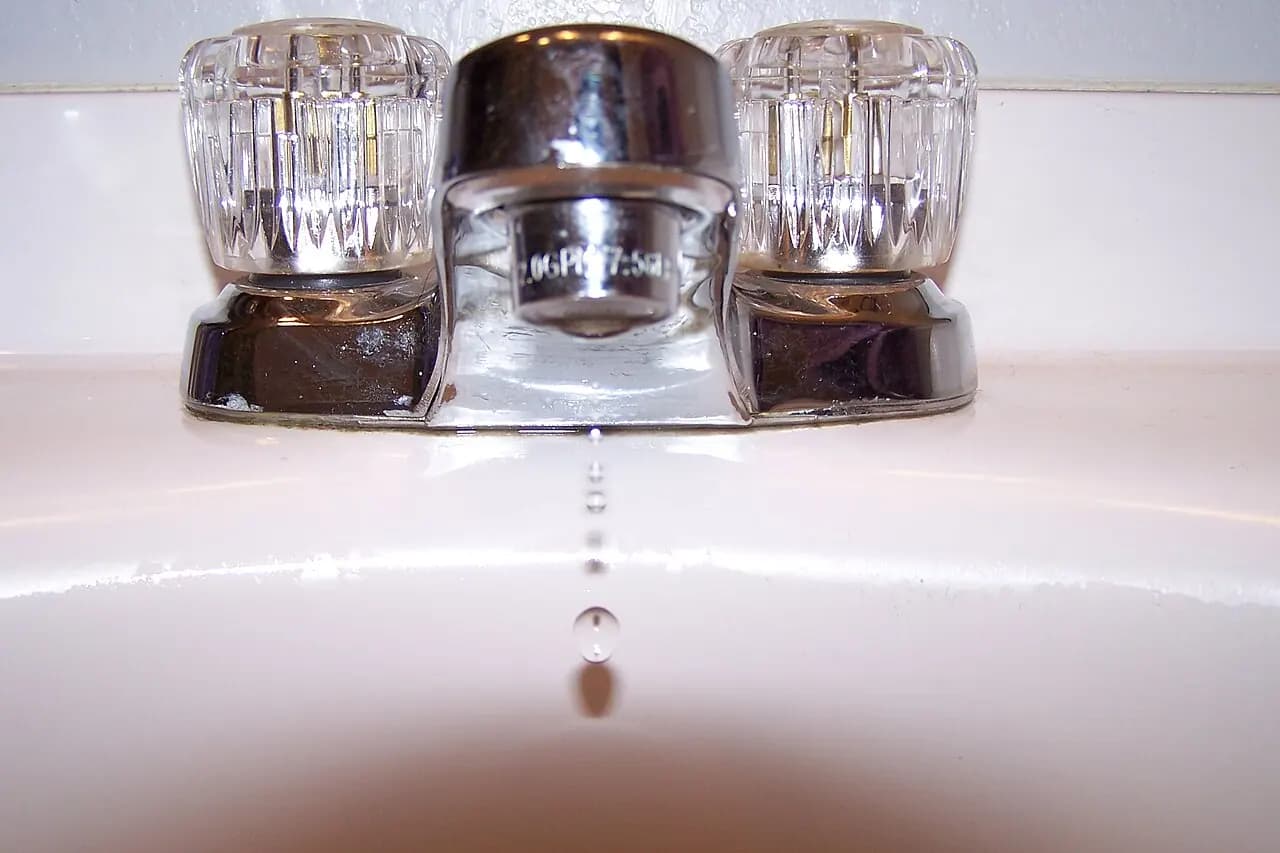
A toilet refilling when nobody has flushed may be losing water from the tank or have a control problem. Record timing and visible movement. A safe dye observation can reveal a tank-to-bowl leak, but parts vary by model.
Identify the cycle and model
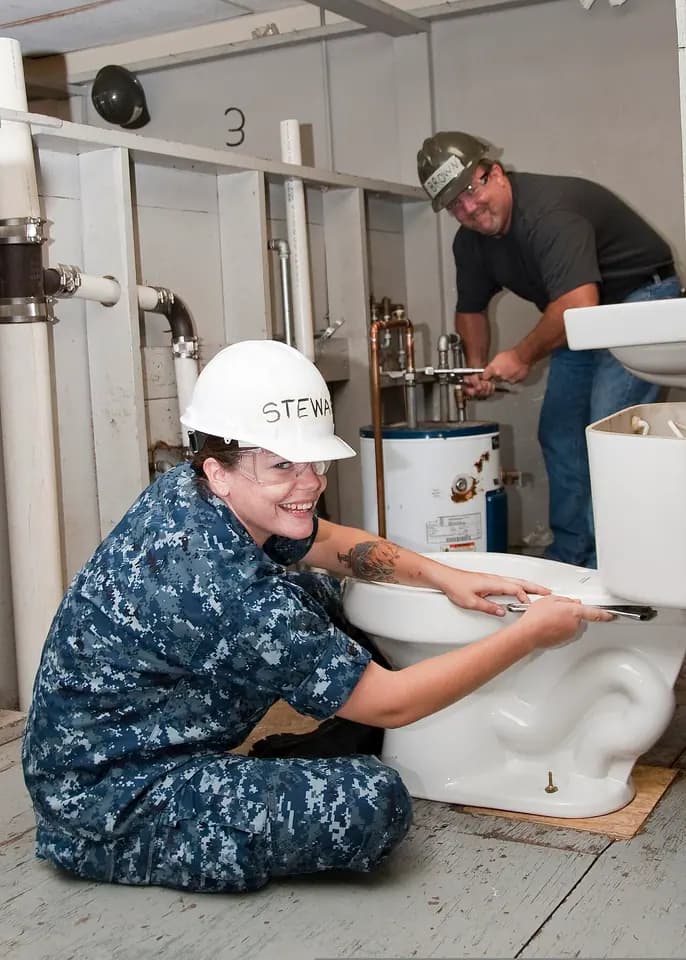
Note whether the sound follows a flush, happens at intervals or continues without stopping. Check whether the handle returns normally and water visibly moves in the bowl. Photograph accessible model markings. Do not force a heavy or connected tank lid. A useful service request says which toilet is affected, how long the behavior has occurred and whether water is appearing outside the fixture.
Understand the dye observation
EPA describes adding a little food coloring or a dye tablet to the tank and waiting ten minutes without flushing. Color in the bowl indicates water moving from tank to bowl. Flush afterward to avoid staining and follow model-specific directions. This does not test the supply line, diagnose every component or assess the seal beneath the toilet.
Supporting sources: EPA WaterSense — home maintenance
Separate repair from replacement
Ask whether a compatible repair part is available and what condition supports any replacement recommendation. A recurring refill alone is not a complete replacement assessment.
| What you notice | What to record | Useful next step |
|---|---|---|
| Refilling between uses | Frequency and dye observation | Which control or seal needs assessment? |
| Water on the floor | First wet location and timing | Could the supply or another connection be involved? |
| Replacement proposed | Model and installation scope | What defect or performance issue justifies it? |
Confirm the completed result
Ask how normal filling and shutoff were checked after repair. For replacement, confirm rough-in compatibility, controls, removal and future parts access. EPA’s model search can verify WaterSense certification; it does not select the right toilet for the bathroom or validate the installer. Keep the exact model and invoice for later maintenance.
Supporting sources: EPA — WaterSense toilet product verification
Questions homeowners ask
Can a toilet leak quietly?
Yes. Tank-to-bowl water loss can be silent or intermittent. A usage change or dye observation may reveal it, but the mechanism still needs assessment before buying parts.
Does a running toilet always need replacing?
No. Some faults are repairable with compatible components. Compare condition, parts availability, flushing concerns and the complete installed scope before deciding.
Can I trust any WaterSense claim in a listing?
Verify the exact model in EPA’s search. A brand name or retailer description alone does not establish certification or suitability for your bathroom.
Sources & verification
LocalFoundry checked these primary resources to support the statements cited above. Selection of a source does not imply its endorsement of LocalFoundry or a service provider.
- EPA WaterSense — home maintenance · Source checked October 26, 2026
- EPA — WaterSense toilet product verification · Source checked October 26, 2026
Confirm current requirements with the authority or equipment manufacturer for your property. This is general homeowner guidance, not a diagnosis, engineering design or promise of service.