Running out of hot water: demand, recovery or a repair?
A short hot-water supply can reflect demand, operating mode or an equipment fault. Record the sequence of uses and whether the change is new. Do not raise temperature blindly or open electrical or combustion compartments.
Describe a morning, not just a complaint
Write down the order of showers, laundry and dishwasher use, including overlapping demand. Note whether the shortage occurs after a long idle period or after several uses. Is it limited to one fixture or everywhere? Tell the provider if household size or routine changed. A fixture mixing issue and a heater-capacity issue require different investigations, even if both feel like a cold shower.
Identify equipment safely
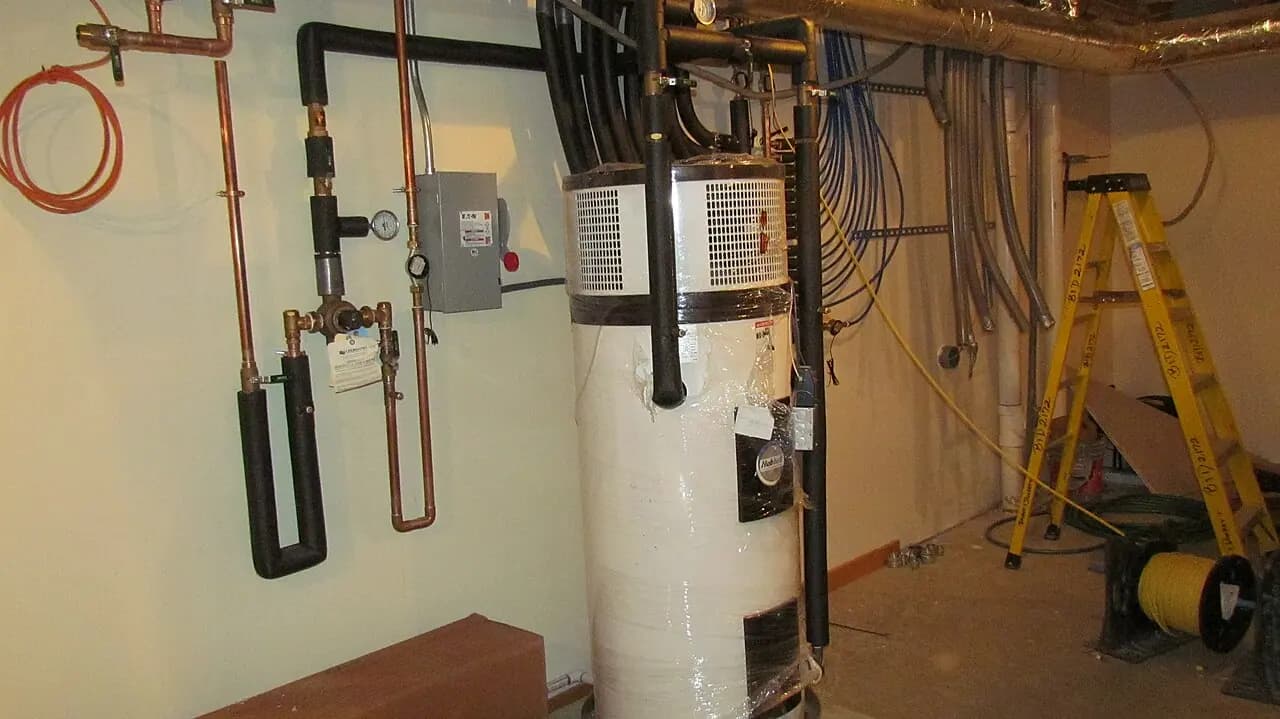
From a normal standing position, photograph the accessible label and visible display or error code. Include fuel type and whether the equipment is a tank, tankless unit or heat-pump heater if known. Keep access clear without touching hot pipes, venting or wiring. A. O. Smith’s troubleshooting describes demand, leakage and operating conditions among the factors to assess; it does not provide one universal fix.
Supporting sources: A. O. Smith — insufficient electric water-heater capacity, A. O. Smith — residential electric heater safety and troubleshooting
Compare the question raised by each pattern
Ask whether the heater delivers its intended performance before jumping to a larger replacement. An assessment should explain the evidence and conditions used.
| What you notice | What to record | Useful next step |
|---|---|---|
| Short during overlapping uses | Sequence and approximate duration | Does demand exceed intended delivery? |
| New shortage, unchanged routine | Start date, display and recent work | Is equipment or mixing performance impaired? |
| One shower affected | Other fixtures’ behavior | Could a fixture-specific control be involved? |
Make replacement proposals complete
Ask for expected delivery under your routine, installation changes, permits, removal and commissioning. Tank size alone does not describe usable performance. Electrical supply, venting, drainage and space can change the installed scope. Request operating guidance and maintenance instructions at handover. Keep the final equipment model and explanation of sizing with the invoice.
Questions homeowners ask
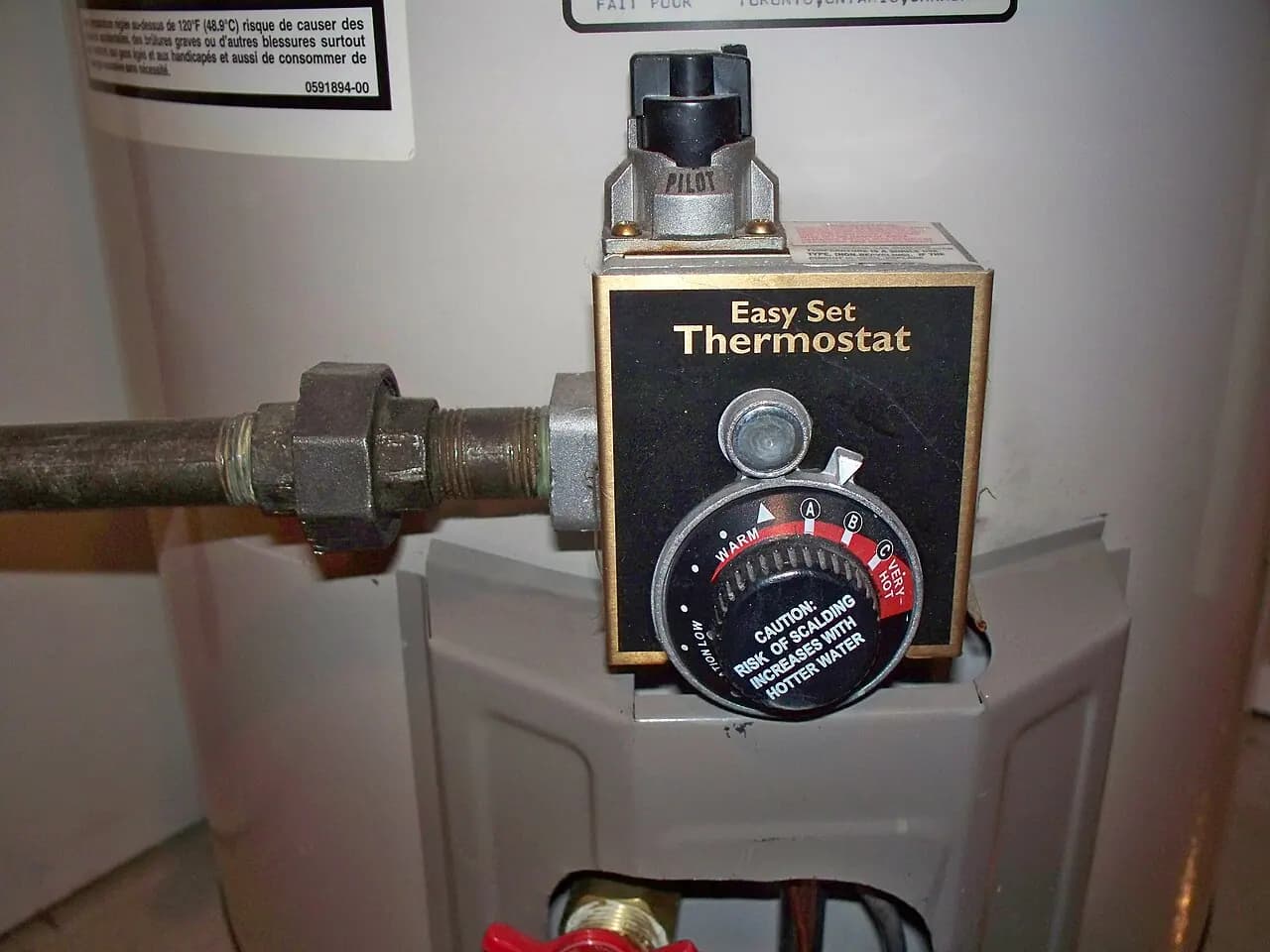
Should I turn up the temperature?
Not without checking manufacturer safety guidance and the reason for the shortage. A higher setting can introduce scalding risk without fixing a malfunction, mixing issue or capacity mismatch.
Does tankless mean unlimited simultaneous hot water?
No. Ask for sizing based on incoming conditions and your expected concurrent uses. The proposal should explain those assumptions rather than rely on the word tankless.
What should I say when booking service?
Give the accessible model and code, affected fixtures, timing and recent changes. Mention leakage or a safety concern separately so the provider can prioritize the request.
Sources & verification
LocalFoundry checked these primary resources to support the statements cited above. Selection of a source does not imply its endorsement of LocalFoundry or a service provider.
- A. O. Smith — insufficient electric water-heater capacity · Source checked October 26, 2026
- A. O. Smith — residential electric heater safety and troubleshooting · Source checked October 26, 2026
Confirm current requirements with the authority or equipment manufacturer for your property. This is general homeowner guidance, not a diagnosis, engineering design or promise of service.