AC running but not cooling: prepare a useful diagnostic visit
Record thermostat settings, affected rooms and when cooling changed. Basic observations can help a technician, but a running fan does not prove the refrigeration system is working correctly.
State what “running” means
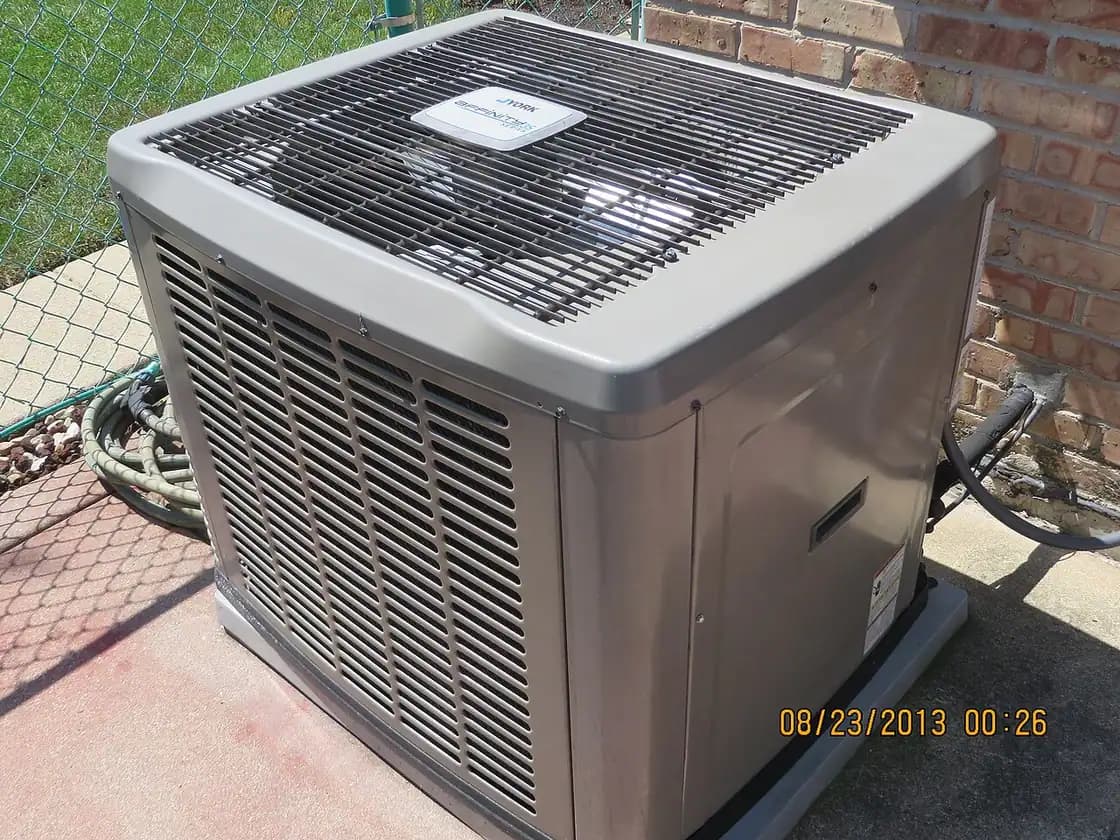
Say whether you hear indoor airflow, outdoor operation or both, and whether the system reaches the setting. Do not approach moving parts or open equipment to verify operation. Note whether the change is sudden, gradual or limited to the hottest part of a day. A clear distinction between airflow and cooling prevents a vague complaint from becoming a guessed component diagnosis.
Check ordinary controls without dismantling
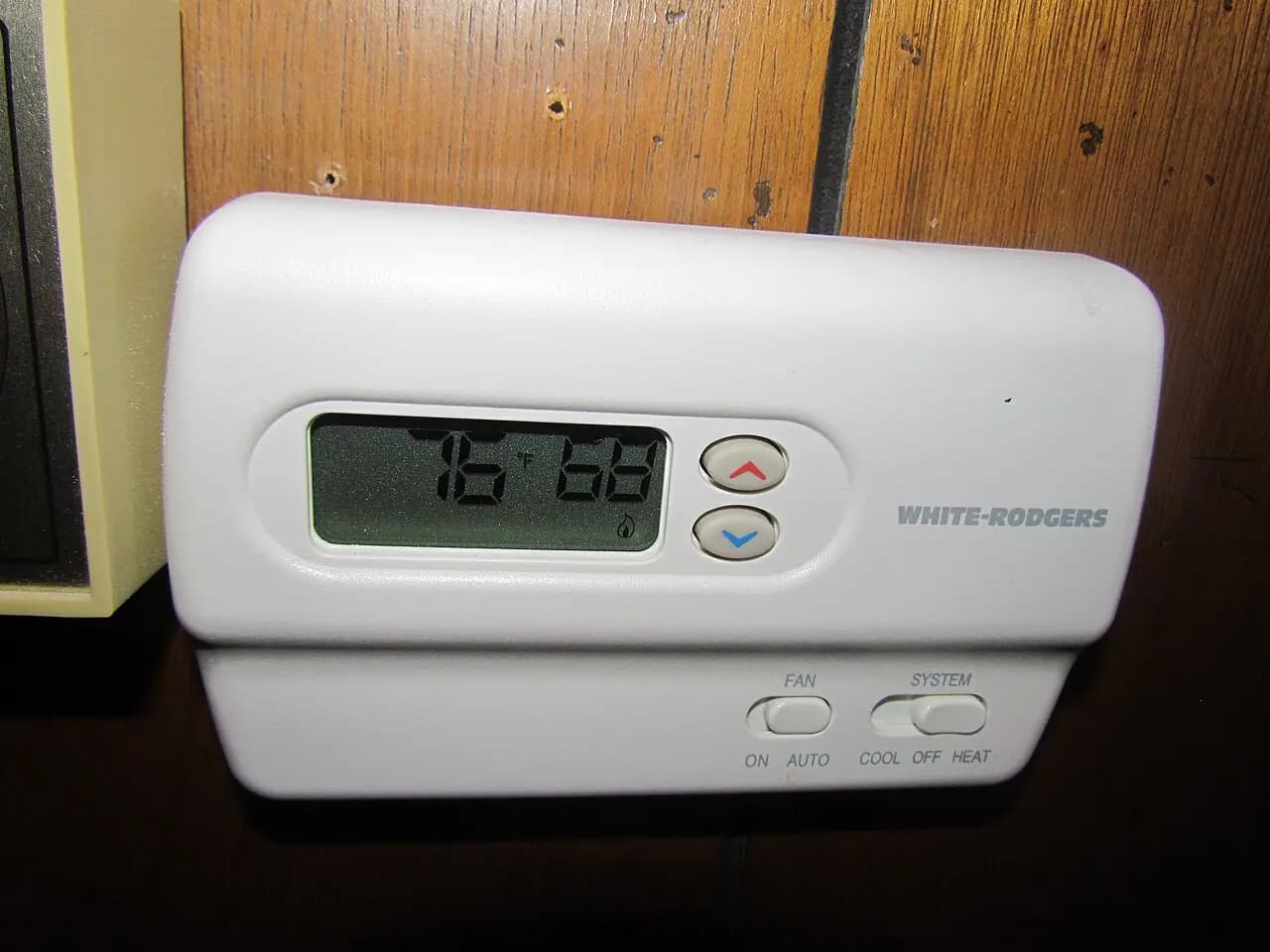
Read the thermostat mode and setting and note schedules or recent changes. Confirm that familiar accessible vents are not blocked by furniture. Check the filter only through the normal user-access procedure. Carrier describes several possible causes of poor cooling; refrigerant, electrical and internal equipment checks belong with qualified service. Do not add refrigerant or use repeated resets as a test.
Supporting sources: Carrier — air conditioner not cooling
Bring a short observation log
A log is most useful when readings are taken consistently in occupied areas, rather than moving a thermometer around until it supports a theory.
| What you notice | What to record | Useful next step |
|---|---|---|
| Thermostat | Mode, setting and displayed temperature | Is control behavior consistent with the complaint? |
| Rooms | Which spaces changed and at what time | Is distribution part of the issue? |
| Recent work | Filter, thermostat or equipment changes | Could a change explain the onset? |
Ask what the proposed repair will restore
Request the test findings and intended outcome. If airflow or distribution is involved, replacing an outdoor component alone may not address the complaint. ENERGY STAR quality-installation guidance emphasizes matching equipment, airflow and refrigerant conditions. Ask how the technician will confirm the result and what follow-up is appropriate if the same conditions return.
Supporting sources: ENERGY STAR — HVAC quality installation
Questions homeowners ask
Can a dirty filter be the only cause?
It can contribute, but should not become an assumed explanation for every cooling complaint. Use the correct filter and ask for further assessment if normal operation does not return.
Should I set the thermostat much lower to cool faster?
Do not use extreme settings to diagnose a fault. Record the normal setting and actual behavior; follow the system’s operating instructions and ask whether its controls or capacity need assessment.
Is refrigerant a routine top-up item?
Ask why refrigerant work is proposed and what testing supports it. Refrigerant handling and any leak investigation require appropriate professional procedures, not homeowner trial and error.
Sources & verification
LocalFoundry checked these primary resources to support the statements cited above. Selection of a source does not imply its endorsement of LocalFoundry or a service provider.
- Carrier — air conditioner not cooling · Source checked October 26, 2026
- ENERGY STAR — HVAC quality installation · Source checked October 26, 2026
Confirm current requirements with the authority or equipment manufacturer for your property. This is general homeowner guidance, not a diagnosis, engineering design or promise of service.