Furnace will not start: what to record before calling
For a no-heat enquiry, provide the model, visible code, thermostat behavior and recent changes. Keep combustion and electrical work with qualified service, and handle alarms or gas concerns through emergency channels.
Distinguish no heat from no airflow
Describe what happens when heat is requested: silence, a short attempt, airflow without warmth or a visible code. Observe only from normal safe access. Note the last time the system worked and whether another service, control change or power event preceded the issue. Do not remove access panels, bypass switches or repeatedly restart the furnace to force a cycle.
Read the normal user controls
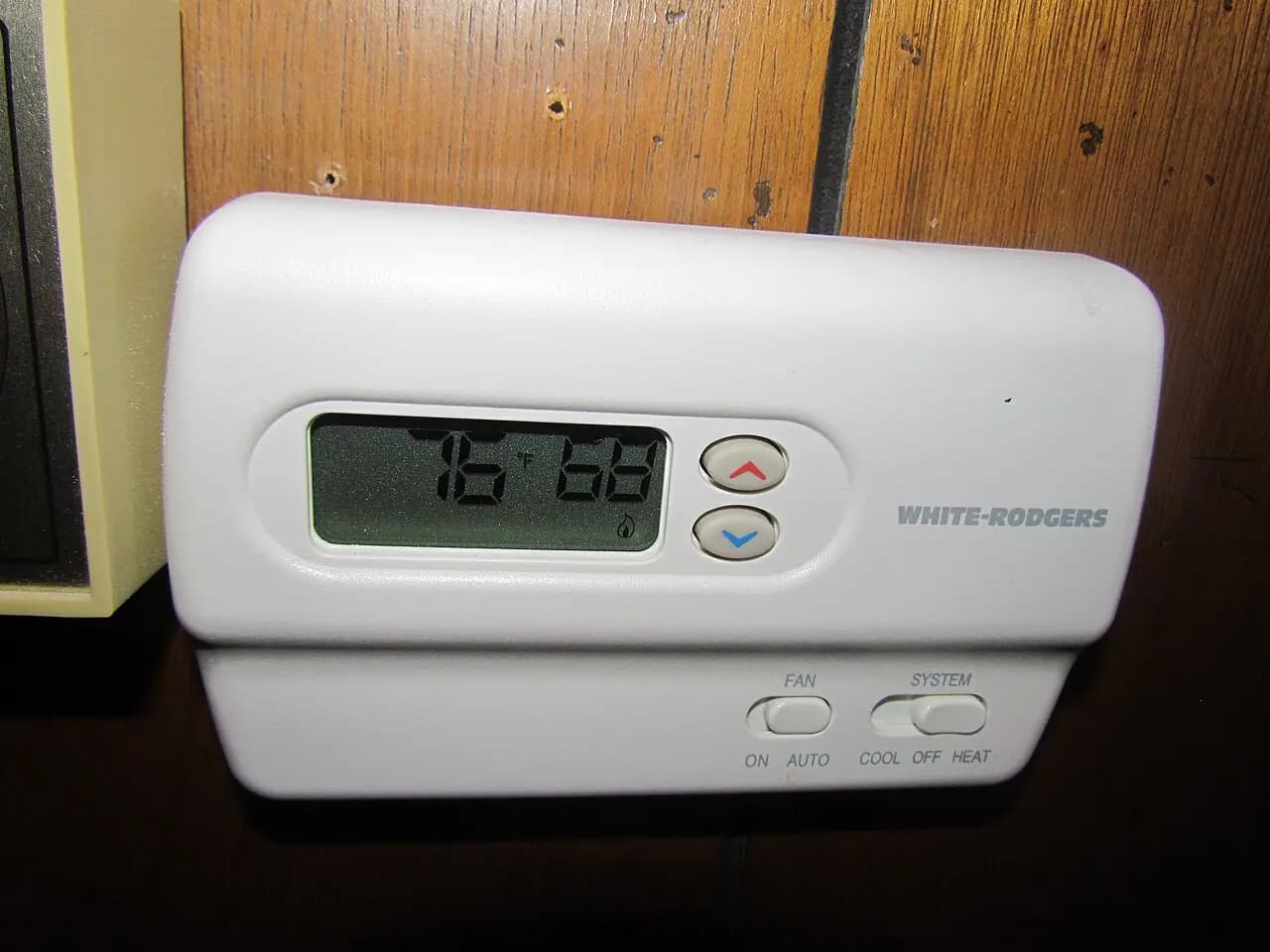
Check the thermostat display, mode and schedule through its normal interface. Use the manufacturer’s user instructions for accessible maintenance only. Photograph a visible code without dismantling equipment. Carrier’s guidance describes several possible no-heat causes; naming a part before testing can lead to the wrong repair. Keep a simple record of what you observed rather than a list of speculative fixes.
Supporting sources: Carrier — gas furnace repair and heating symptoms
Choose the right response path
A routine diagnostic visit and an urgent hazard response are different. A website form should never delay action on an alarm or suspected gas leak.
| What you notice | What to record | Useful next step |
|---|---|---|
| Alarm or suspected gas | Leave unsafe conditions | Use emergency or utility instructions |
| No heating attempt | Thermostat state and onset | Arrange a heating diagnostic visit |
| Repeated failed attempts | Visible code and pattern | Stop repeated restarts; request assessment |
Clarify comfort and follow-up needs
Tell the provider about vulnerable occupants and loss of heat without asking intake staff to guarantee a diagnosis or arrival. Avoid improvised combustion heaters indoors. Ask whether the request is confirmed, what assessment charge applies and what temporary safe arrangements should be considered. CPSC’s CO guidance explains why fuel-burning equipment and alarms need a separate safety response.
Supporting sources: CPSC — carbon monoxide alarm response
Questions homeowners ask
Can I bypass a safety switch to get heat?
No. Do not disable protective controls or open combustion equipment. Record the symptom and arrange qualified service.
Does a working thermostat prove the furnace is fine?
No. A display is only part of the control system. The equipment may fail to respond for several reasons that require diagnosis.
Will an online no-heat request guarantee same-day service?
No. The receiving business must confirm availability, charges and arrangements. For immediate hazards, use the appropriate emergency channel instead of waiting for a callback.
Sources & verification
LocalFoundry checked these primary resources to support the statements cited above. Selection of a source does not imply its endorsement of LocalFoundry or a service provider.
- Carrier — gas furnace repair and heating symptoms · Source checked October 26, 2026
- CPSC — carbon monoxide alarm response · Source checked October 26, 2026
Confirm current requirements with the authority or equipment manufacturer for your property. This is general homeowner guidance, not a diagnosis, engineering design or promise of service.