Heating or cooling starts and stops quickly: what to record
Frequent short cycles are worth reporting, but their cause cannot be inferred from timing alone. Record conditions, whether comfort is maintained and recent changes before approving controls or equipment work.
Record a normal operating period
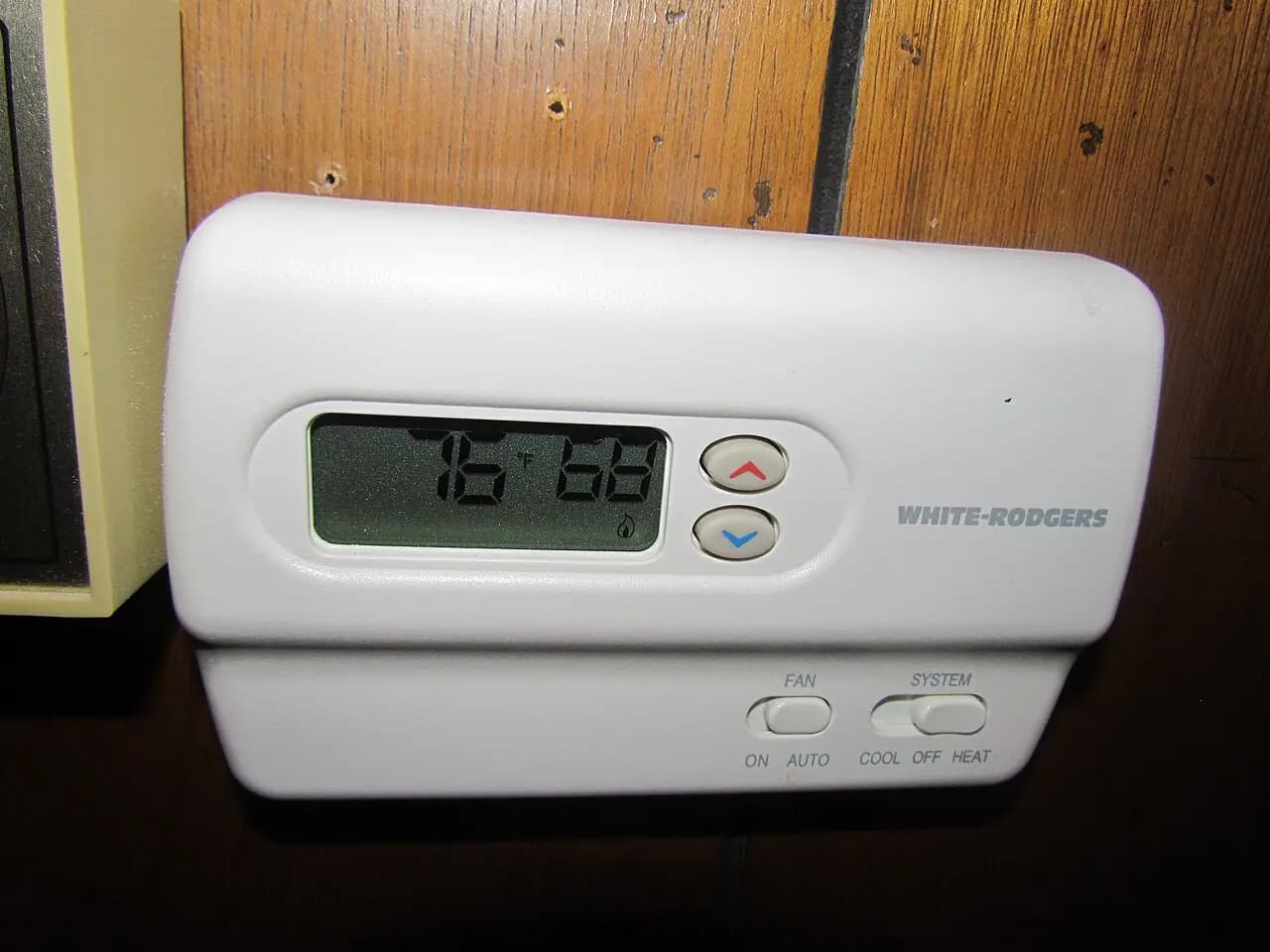
Note the approximate pattern during ordinary use without repeatedly changing settings. Record outdoor conditions, thermostat setting and whether rooms reach it. Variable-capacity equipment may behave differently from an older system, so compare with the model’s intended operation rather than a universal online runtime rule. A technician needs context to decide whether the pattern is abnormal.
Include control and building changes
Mention a new thermostat, filter, closed room, remodeled area or recent repair. Do not assume frequent cycling proves oversized equipment or a faulty sensor. ENERGY STAR notes that oversizing can contribute to cycling and emphasizes property-based sizing, but that is one assessment question among several. Ask for findings that distinguish control, airflow, equipment and load issues.
Supporting sources: ENERGY STAR — HVAC quality installation
Ask what evidence separates the options
A focused assessment should connect a proposed repair to the observed pattern. A replacement recommendation needs more than a stopwatch reading.
| What you notice | What to record | Useful next step |
|---|---|---|
| New pattern after a change | What changed and when | Could configuration or airflow be involved? |
| Repeated starts with poor comfort | Rooms and settings | What prevents stable operation? |
| Replacement proposed | Sizing and test findings | Why would the new design resolve the pattern? |
Define a follow-up condition
Ask how the result will be checked and under what weather or operating conditions to report recurrence. Keep the original observation log and completed work description. If equipment repeatedly trips, locks out or shows safety concerns, avoid repeated resets and seek qualified advice. Use written findings to compare options rather than treating age or noise as an automatic replacement trigger.
Supporting sources: ENERGY STAR — when to consider HVAC replacement
Questions homeowners ask
How many minutes should every HVAC cycle last?
There is no single useful runtime for all equipment, weather and loads. Ask how the observed behavior compares with the actual system’s intended operation.
Does short cycling prove the system is oversized?
No. Oversizing is one possibility, but controls, airflow and equipment conditions also need assessment. Ask for evidence rather than a diagnosis from timing alone.
Should I buy a thermostat first?
Only after compatibility and the cause are established. A new control may not fix the underlying issue and can introduce configuration problems if unsuitable.
Sources & verification
LocalFoundry checked these primary resources to support the statements cited above. Selection of a source does not imply its endorsement of LocalFoundry or a service provider.
- ENERGY STAR — HVAC quality installation · Source checked October 26, 2026
- ENERGY STAR — when to consider HVAC replacement · Source checked October 26, 2026
Confirm current requirements with the authority or equipment manufacturer for your property. This is general homeowner guidance, not a diagnosis, engineering design or promise of service.