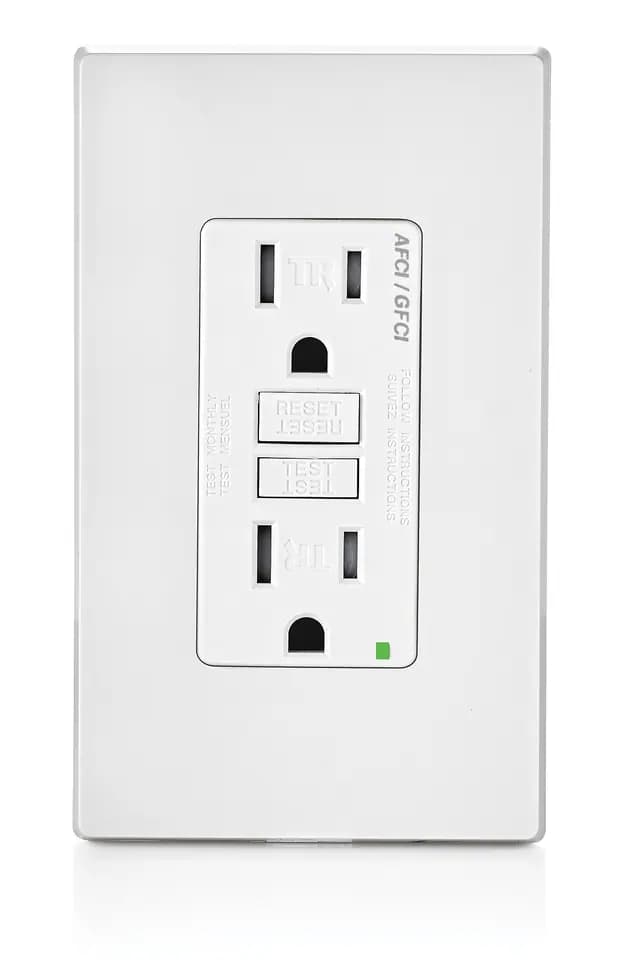
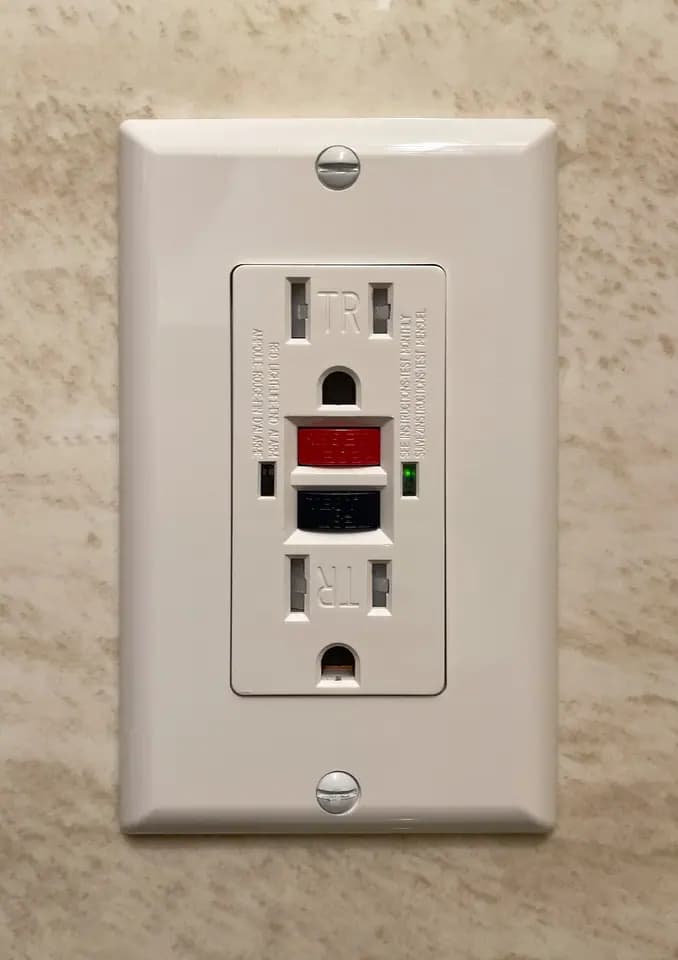
A warm, discolored or loose outlet: what to do with the observation
Stop using equipment associated with an abnormal connection and arrange qualified assessment. Do not touch an outlet to test heat, open it or assume a replacement faceplate resolves the cause.
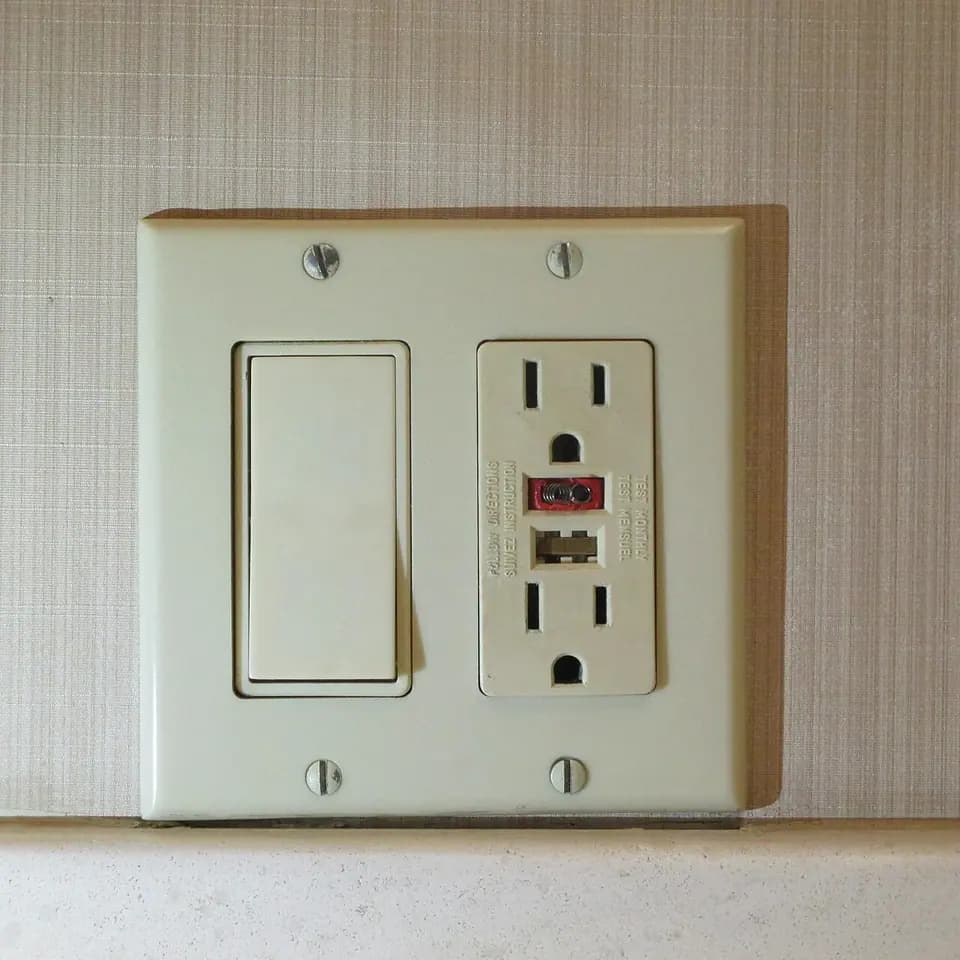
Keep observation separate from testing
Note what you already observed: discoloration, a plug that does not stay seated, odor or unusual warmth noticed during ordinary use. Do not recreate the condition or touch equipment to measure heat. If smoke, fire or immediate danger is present, get to safety and use emergency services. Keep people away from damaged or wet equipment.
Describe the connected load
Tell the electrician what appliance or device was in use, whether adapters or strips were involved and when the change began. A problem can involve the device, connection, wiring or load arrangement. CPSC’s home safety and wiring resources identify connection and equipment concerns, but a visual symptom does not establish the full repair scope.
Supporting sources: CPSC — home electrical safety checklist, CPSC — guide to home wiring hazards
Prepare the assessment request
Use photos only from a safe position and preserve product information. A faceplate photo may show the symptom without showing the underlying cause.
| What you notice | What to record | Useful next step |
|---|---|---|
| Discoloration or odor | Location and connected equipment | Seek qualified assessment |
| Loose plug fit | Device and history | Stop relying on the faulty connection |
| Water nearby | Source and safe access | Keep clear; prioritize electrical safety |
Ask for cause and completion checks
If replacement is proposed, ask what caused the condition and what else was assessed. A new device may be part of the repair, but the explanation should address the actual findings. Clarify appropriate protection, labeling, access and restoration. Keep the completed work record so the same symptom can be recognized if it returns.
Questions homeowners ask
Can I cover discoloration with a new faceplate?
That is not a repair of the cause. Arrange assessment of the affected equipment and connection rather than hiding the visible evidence.
Should I feel the outlet to see how hot it is?
No. Do not deliberately touch potentially unsafe equipment as a test. Describe what was already noticed and let a qualified person assess it.
Is a loose plug only inconvenient?
Do not assume that. Stop relying on the abnormal connection and ask an electrician to assess the device and related conditions.
Sources & verification
LocalFoundry checked these primary resources to support the statements cited above. Selection of a source does not imply its endorsement of LocalFoundry or a service provider.
- CPSC — home electrical safety checklist · Source checked October 26, 2026
- CPSC — guide to home wiring hazards · Source checked October 26, 2026
Confirm current requirements with the authority or equipment manufacturer for your property. This is general homeowner guidance, not a diagnosis, engineering design or promise of service.