10 signs your air conditioner deserves a service assessment
Longer run times, weaker cooling or a new sound are reasons to investigate, not proof that an AC needs replacement. Record the change and the conditions so the technician can test the actual problem.
Ten changes to notice
Record what changed and when, rather than using this list as an automatic replacement checklist. These observations have different possible causes. Include the operating conditions and whether comfort is maintained so the technician can decide what needs testing.
- Rooms no longer reach the usual setting.
- Airflow seems weaker than normal.
- Starts and stops become frequent.
- A new noise appears.
- Ice is visible on equipment.
- Water appears where it normally stays dry.
- The equipment repeatedly trips an electrical circuit.
- A persistent unusual odor develops.
- Energy use rises without a clear weather or occupancy explanation.
- The same complaint returns after service.
Add operating context
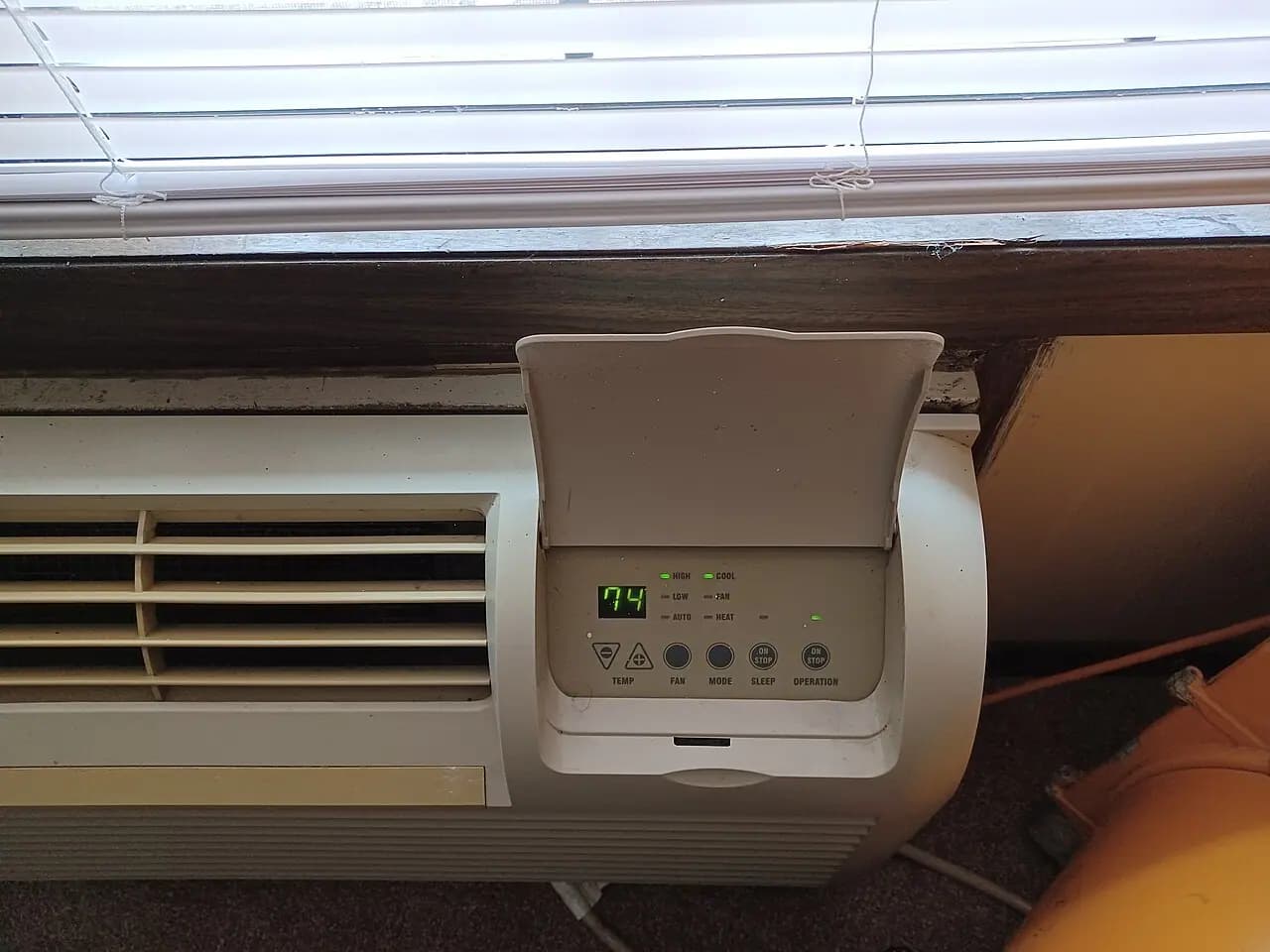
Note outdoor conditions, thermostat mode, setting, room readings and when the issue appears. Compare similar periods rather than one hot afternoon against a mild week. Photograph a visible display or ice from safe access; do not open equipment, handle refrigerant or chip ice away. Carrier’s symptom guidance explains that reduced cooling has multiple possible causes, so resist choosing a component from an internet list.
Supporting sources: Carrier — air conditioner not cooling
Prioritize the report
Tell the provider about safety concerns or active water damage before routine comfort complaints. A callback request is not a confirmed repair appointment.
| What you notice | What to record | Useful next step |
|---|---|---|
| Cannot reach the setting | Conditions and affected rooms | What measurements will explain reduced capacity? |
| New ice or water | Location and timing | What operating or drainage issue needs assessment? |
| Repeated electrical trip | Equipment and recurrence | Stop repeated resets; request qualified assessment |
Ask for evidence-based options
Request the findings, repair scope and any remaining uncertainty. ENERGY STAR lists recurring repairs and comfort problems among reasons to evaluate a system; it does not diagnose your unit from its age alone. Compare repair and replacement only after understanding condition, performance and installed scope. Keep the report so a recurring issue can be assessed against what was previously done.
Supporting sources: ENERGY STAR — when to consider HVAC replacement, ENERGY STAR — HVAC maintenance checklist
Questions homeowners ask
Do all ten signs mean I need a new AC?
No. Each is an observation that may justify assessment. The appropriate repair or replacement decision depends on findings, system design and the complete scope.
Should I keep resetting a tripped breaker?
Do not repeatedly reset a circuit serving malfunctioning equipment. Tell the provider what happened and arrange qualified assessment rather than trying to force continued operation.
Does a long run time always indicate failure?
No. Weather, load and system type matter. Record whether the home maintains the setting and how operation differs from normal; ask the technician to interpret the pattern.
Sources & verification
LocalFoundry checked these primary resources to support the statements cited above. Selection of a source does not imply its endorsement of LocalFoundry or a service provider.
- Carrier — air conditioner not cooling · Source checked October 26, 2026
- ENERGY STAR — when to consider HVAC replacement · Source checked October 26, 2026
- ENERGY STAR — HVAC maintenance checklist · Source checked October 26, 2026
Confirm current requirements with the authority or equipment manufacturer for your property. This is general homeowner guidance, not a diagnosis, engineering design or promise of service.