10 furnace changes worth reporting before a breakdown
An unfamiliar furnace pattern deserves a clear service report. Separate routine comfort changes from urgent hazards; a carbon monoxide alarm or suspected gas leak is not a routine troubleshooting task.
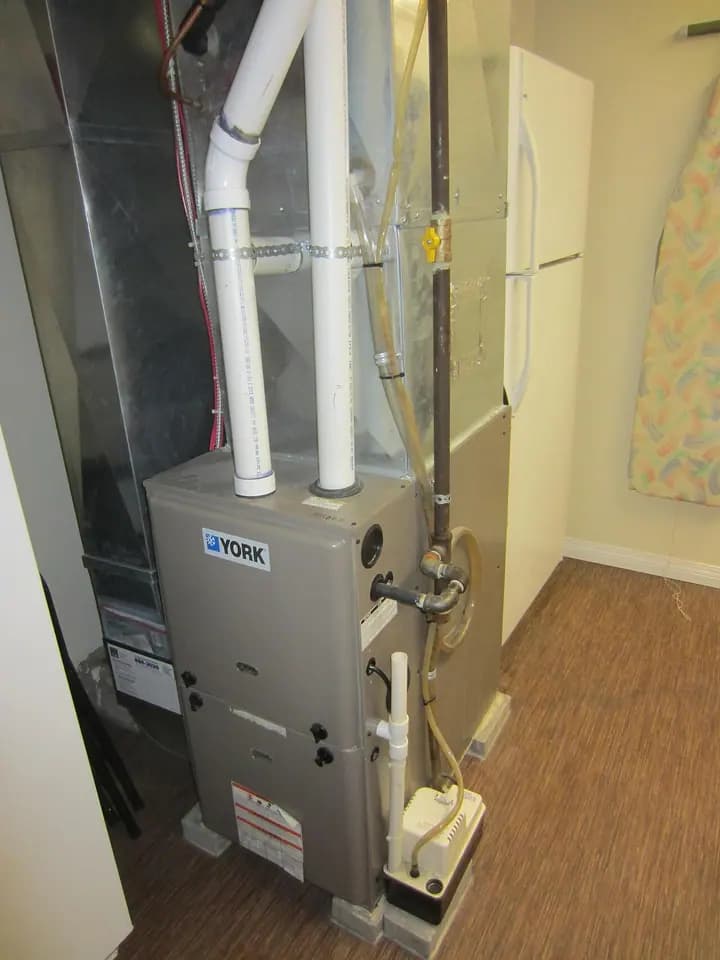
Watch the change, not a generic lifespan
These observations help describe a heating service request; none identifies a particular failed part by itself. Compare the change with normal operation and give the technician the equipment model and recent history. Handle carbon monoxide alarms or suspected gas leaks through the separate emergency response described below.
- No heat is delivered on demand.
- Heating attempts repeatedly end quickly.
- New banging or grinding is heard.
- An unfamiliar persistent odor appears.
- Rooms are colder than usual.
- Lockouts or visible codes recur.
- Water appears near the equipment.
- Airflow changes unexpectedly.
- The same complaint needs repeated service.
- Consumption changes without an obvious use explanation.
Treat alarms differently
If a CO alarm sounds, move outside to fresh air and call emergency services as CPSC directs. Do not wait for a routine callback or search for the source indoors. A suspected gas leak also requires the responsible utility or emergency response from a safe location. Keep covers, venting and gas controls untouched. Normal-looking operation does not establish combustion safety.
Supporting sources: CPSC — carbon monoxide alarm response
Prepare the heating enquiry
For nonemergency service, describe the sequence you observe from normal safe access and preserve any visible code. Do not repeatedly restart equipment to reproduce a fault.
| What you notice | What to record | Useful next step |
|---|---|---|
| CO alarm or immediate danger | Safe location first | Emergency response, not routine intake |
| No heat or recurring code | Model, code and timing | Ask about an appropriate diagnostic visit |
| Uneven warmth | Rooms, doors and recent changes | Ask about distribution as well as the furnace |
Make the visit answer a question
Ask what caused the symptom and how it was tested. A proposed major replacement should distinguish equipment condition from duct, control or building issues. Request written findings and the limits of any inspection. Manufacturer and ENERGY STAR resources provide background, but the provider’s actual measurements and explanation should drive the property-specific recommendation.
Supporting sources: Carrier — gas furnace repair and heating symptoms, ENERGY STAR — when to consider HVAC replacement
Questions homeowners ask
Can I wait for a callback after a CO alarm?
No. Follow emergency guidance: get outside to fresh air and call emergency services. A website enquiry is not an emergency response channel.
Does a furnace code tell me which part to replace?
Not reliably by itself. Codes identify conditions to investigate and are model specific. Record the visible code and let a qualified technician interpret it with other findings.
Is furnace age a replacement diagnosis?
No. Age can inform planning, but condition, repair history, safety findings and performance are needed to evaluate options.
Sources & verification
LocalFoundry checked these primary resources to support the statements cited above. Selection of a source does not imply its endorsement of LocalFoundry or a service provider.
- Carrier — gas furnace repair and heating symptoms · Source checked October 26, 2026
- CPSC — carbon monoxide alarm response · Source checked October 26, 2026
- ENERGY STAR — when to consider HVAC replacement · Source checked October 26, 2026
Confirm current requirements with the authority or equipment manufacturer for your property. This is general homeowner guidance, not a diagnosis, engineering design or promise of service.