10 signs of a hidden plumbing leak—and what to record
A higher bill, persistent dampness or unexplained water movement deserves investigation. No single stain proves a supply-pipe leak. Record when the symptom appears, what water was being used and whether it is spreading; active flooding needs prompt attention.
Ten clues worth documenting
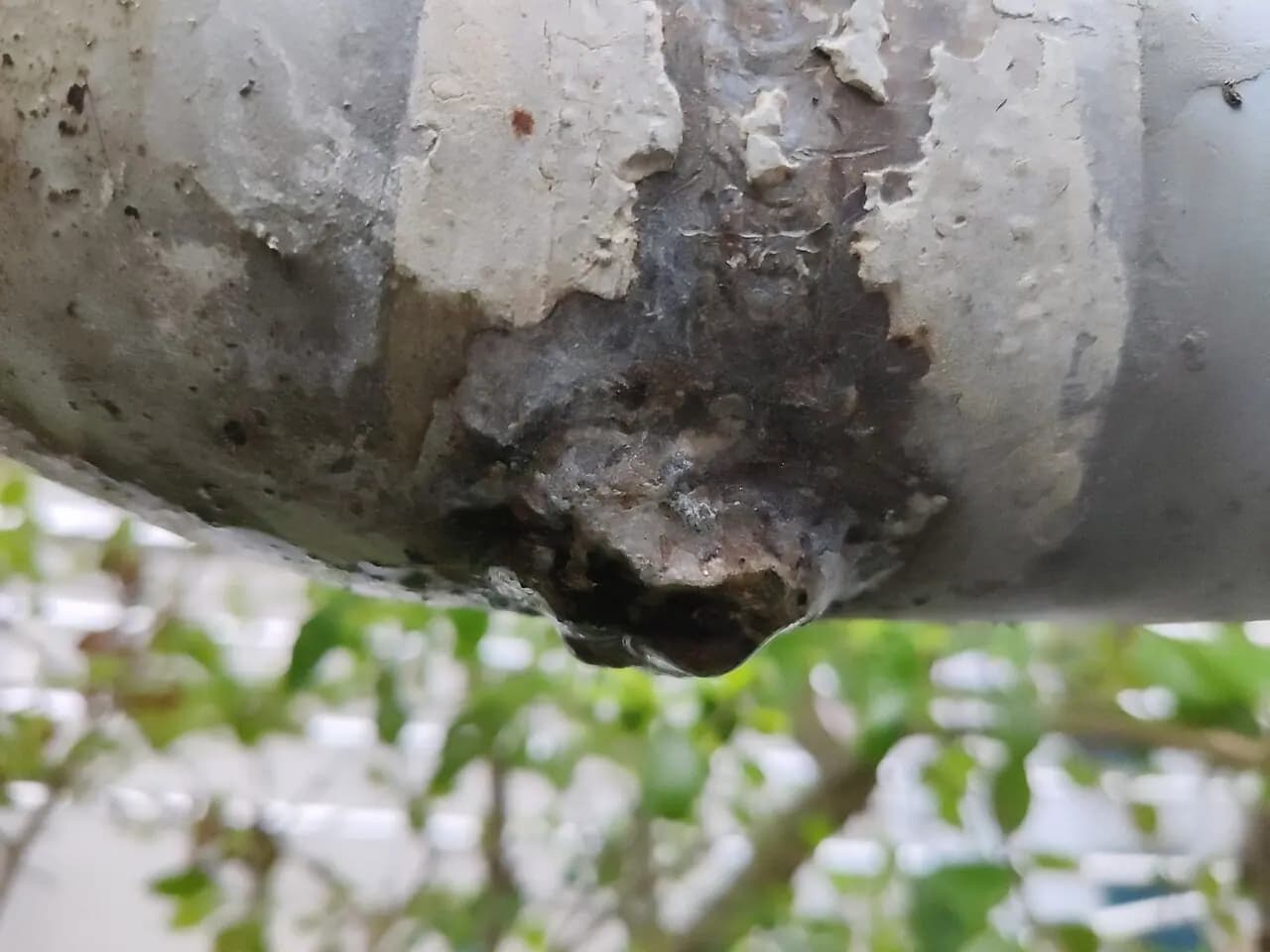
These clues can overlap with drainage, irrigation, condensation and building-envelope problems. Use the list to record observations rather than locate a broken pipe by guesswork. EPA’s current leak resource reports that nine percent of homes have leaks wasting at least fifty gallons per day. That national figure is not a measurement of your property.
- Water use changes without a matching change in routine.
- A meter alert shows unexpected continuous flow.
- A cabinet repeatedly becomes damp.
- A stain grows over time.
- Flooring swells near a wet area.
- Paint or trim separates near moisture.
- A toilet refills between uses.
- Dripping is heard when fixtures are off.
- An unexplained wet patch appears outdoors.
- A musty area returns after drying.
Supporting sources: EPA WaterSense — checking for household leaks, EPA — leak detection and flow monitoring
Build a timeline instead of opening a wall
Photograph the area from the same safe position with a date and size reference. Note recent rain, showers, dishwasher cycles and irrigation operation. A damp ceiling beneath a bathroom is useful to describe in relation to fixture use. Keep wider-room photos as well as close-ups so the contractor can understand access. Avoid cutting into walls or reaching toward wiring to look for the source.
Compare the evidence
Separate visible damage from the suspected origin. Tell the plumber what you know and what remains uncertain so testing can precede a repair decision.
| What you notice | What to record | Useful next step |
|---|---|---|
| Usage alert without visible water | Time window and appliance or irrigation use | Ask how supply leakage will be isolated |
| Moisture after a shower | Fixture, duration and delay before dampness | Ask about both drain and supply testing |
| Growing wet area near electricity | Location and safe access | Keep away and seek urgent safety advice |
Arrange repair and damage control
Use a familiar, safely accessible shutoff only if you know what it controls; do not force a seized valve. Keep people away from wet electrical equipment and unstable ceilings. Water-damaged materials need attention as well as the fault. EPA emphasizes correcting the moisture source. Ask who handles drying, restoration and access work; painting a mark or buying a sensor does not complete the repair.
Supporting sources: EPA — moisture control and water damage
Questions homeowners ask
Does a higher water bill prove a pipe is leaking?
No. Compare the billing period, occupancy, irrigation and utility readings first. A bill or continuous-use alert prompts investigation; it does not identify a pipe or determine who owns it.
Should a leak detector replace a plumbing inspection?
No. Point sensors, flow monitors and automatic shutoffs serve different purposes. A device can support future monitoring but should not delay assessment of an active leak or damage.
Can a dry stain still help the plumber?
Yes. Keep dated photos and describe the conditions when it appeared. An intermittent leak may be inactive during the visit, so a clear history can help the contractor choose an appropriate test.
Sources & verification
LocalFoundry checked these primary resources to support the statements cited above. Selection of a source does not imply its endorsement of LocalFoundry or a service provider.
- EPA WaterSense — checking for household leaks · Source checked October 26, 2026
- EPA — leak detection and flow monitoring · Source checked October 26, 2026
- EPA — moisture control and water damage · Source checked October 26, 2026
Confirm current requirements with the authority or equipment manufacturer for your property. This is general homeowner guidance, not a diagnosis, engineering design or promise of service.