A new HVAC noise: describe the sequence, not a guessed part
Record when the noise occurs, where it is heard and whether comfort or operation changed. A safe recording can help service intake, but sound alone does not identify a failed component.
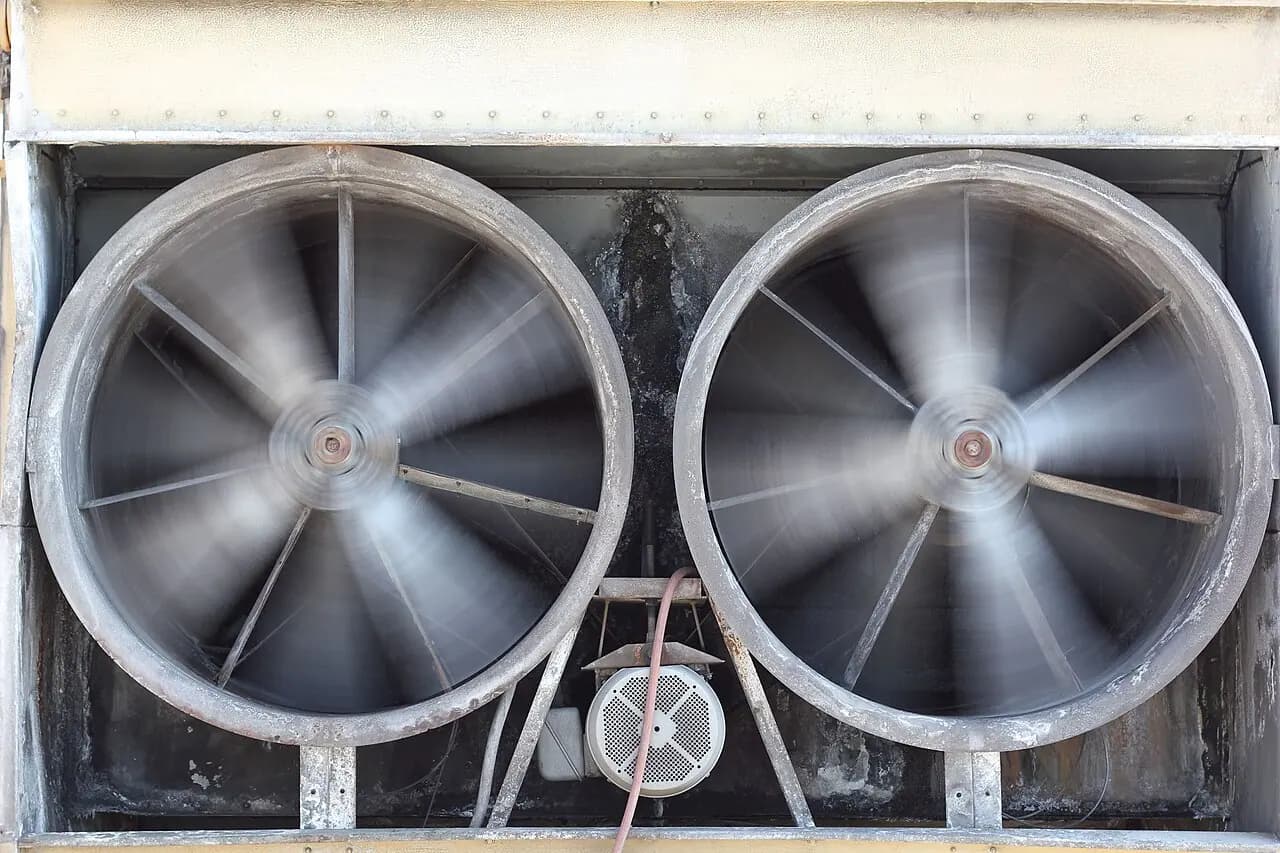
Describe the timing
Does the sound occur at startup, during operation, at shutdown or independently? Is it indoors, outdoors or at a particular room grille? Note recent work and whether the sound is new or simply newly noticed. Avoid standing near moving equipment or removing covers to get a better recording. A normal-distance recording with context is more useful than a close-up taken unsafely.
Separate equipment from distribution questions
A noise at a grille, duct or outdoor unit raises different assessment questions. Tell the technician whether airflow and temperature changed too. ENERGY STAR lists system noise among reasons to evaluate performance but does not diagnose a component by sound. Ask the provider to explain what observation or test confirms the cause.
Supporting sources: ENERGY STAR — when to consider HVAC replacement
Prepare a concise noise log
Use plain words if the sound is hard to describe. A recording’s timing and location matter more than choosing the perfect mechanical label.
| What you notice | What to record | Useful next step |
|---|---|---|
| Startup or shutdown | Sequence and duration | Which operating event coincides? |
| One room or grille | Location and airflow changes | Could distribution be involved? |
| New sound with a fault | Code, trip or lost comfort | What qualified assessment is needed? |
Agree on the result to check
Ask what work is proposed and what normal operation should sound like afterward. Some system types change speed or have different operating sounds; the provider should distinguish those from a defect. Keep the finding and recording for follow-up. Do not keep cycling malfunctioning equipment solely to reproduce the sound for a video.
Supporting sources: ENERGY STAR — HVAC maintenance checklist
Questions homeowners ask
Can I diagnose a motor from an online sound clip?
No reliable property diagnosis follows from a clip alone. Equipment type, operating state and inspection matter. Use recordings to communicate a symptom, not order a part.
Should a new installation be completely silent?
Not every system is silent. Ask what normal sounds to expect, which ratings apply and whether a particular new noise needs correction.
What if the noise disappears before the visit?
Share the dated recording, location and operating conditions. Intermittent symptoms may still be assessable when the history is clear.
Sources & verification
LocalFoundry checked these primary resources to support the statements cited above. Selection of a source does not imply its endorsement of LocalFoundry or a service provider.
- ENERGY STAR — HVAC maintenance checklist · Source checked October 26, 2026
- ENERGY STAR — when to consider HVAC replacement · Source checked October 26, 2026
Confirm current requirements with the authority or equipment manufacturer for your property. This is general homeowner guidance, not a diagnosis, engineering design or promise of service.